
From Mods to Oasis: a short history of the Italian scooter in British rock
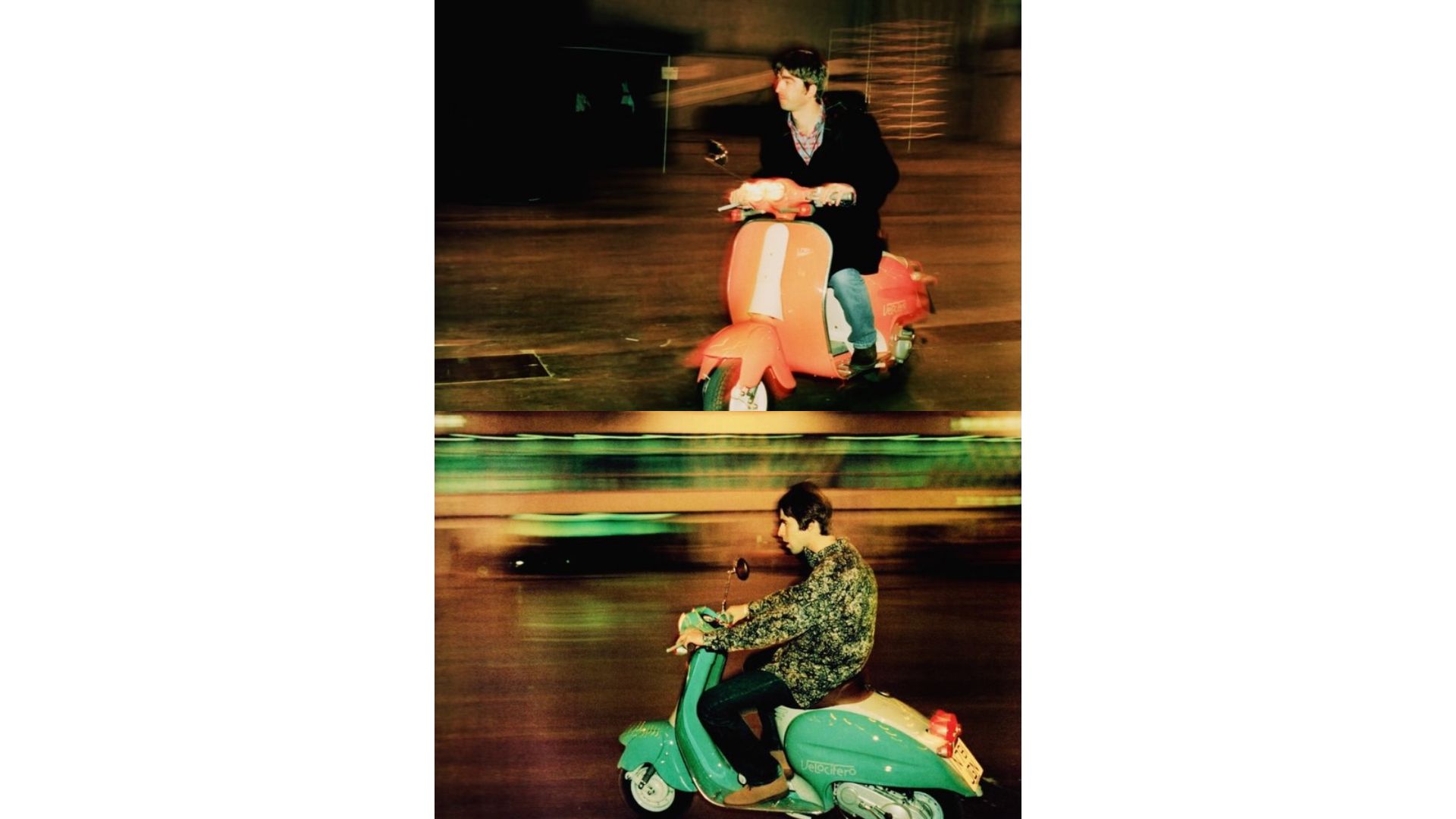
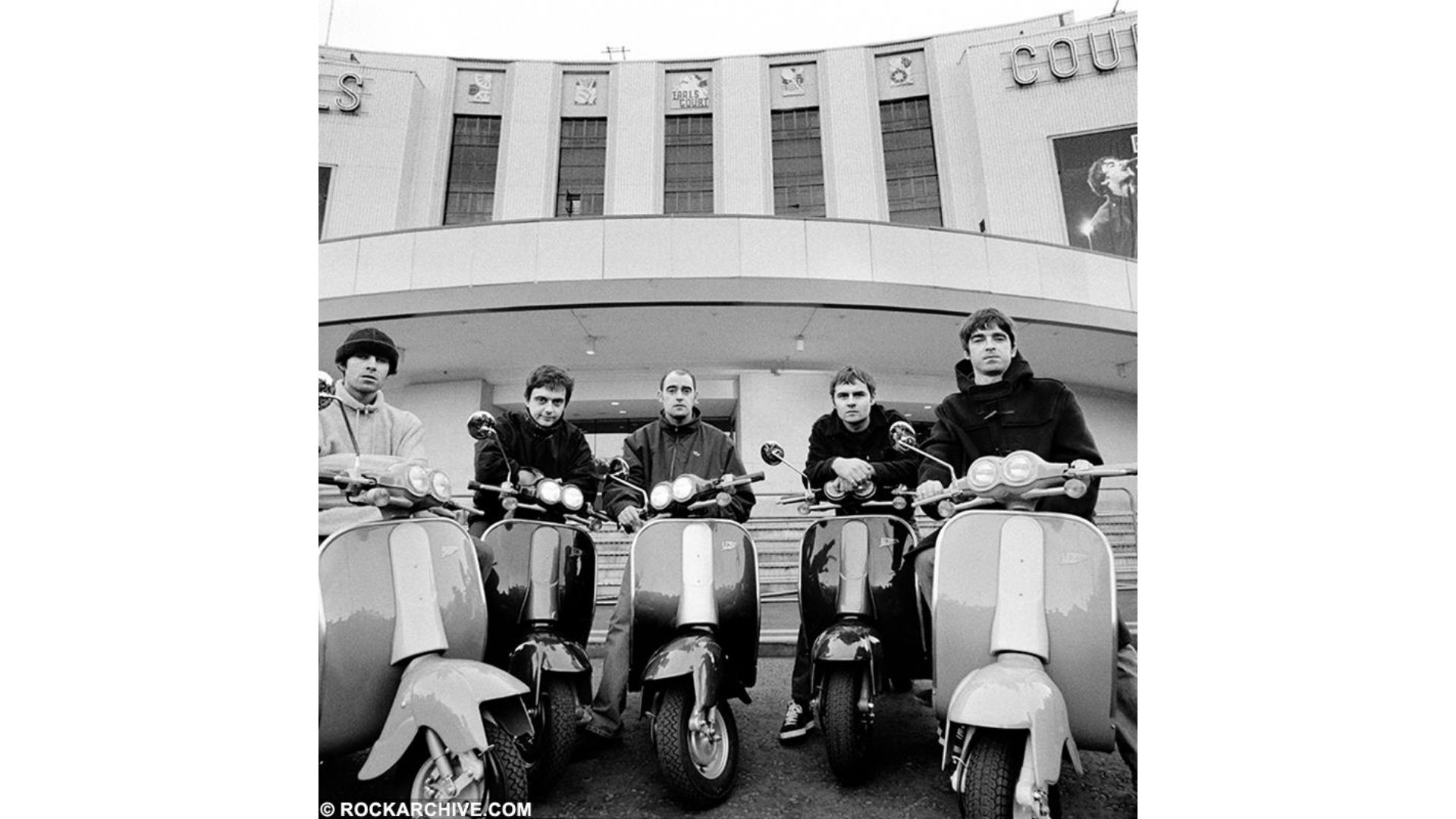
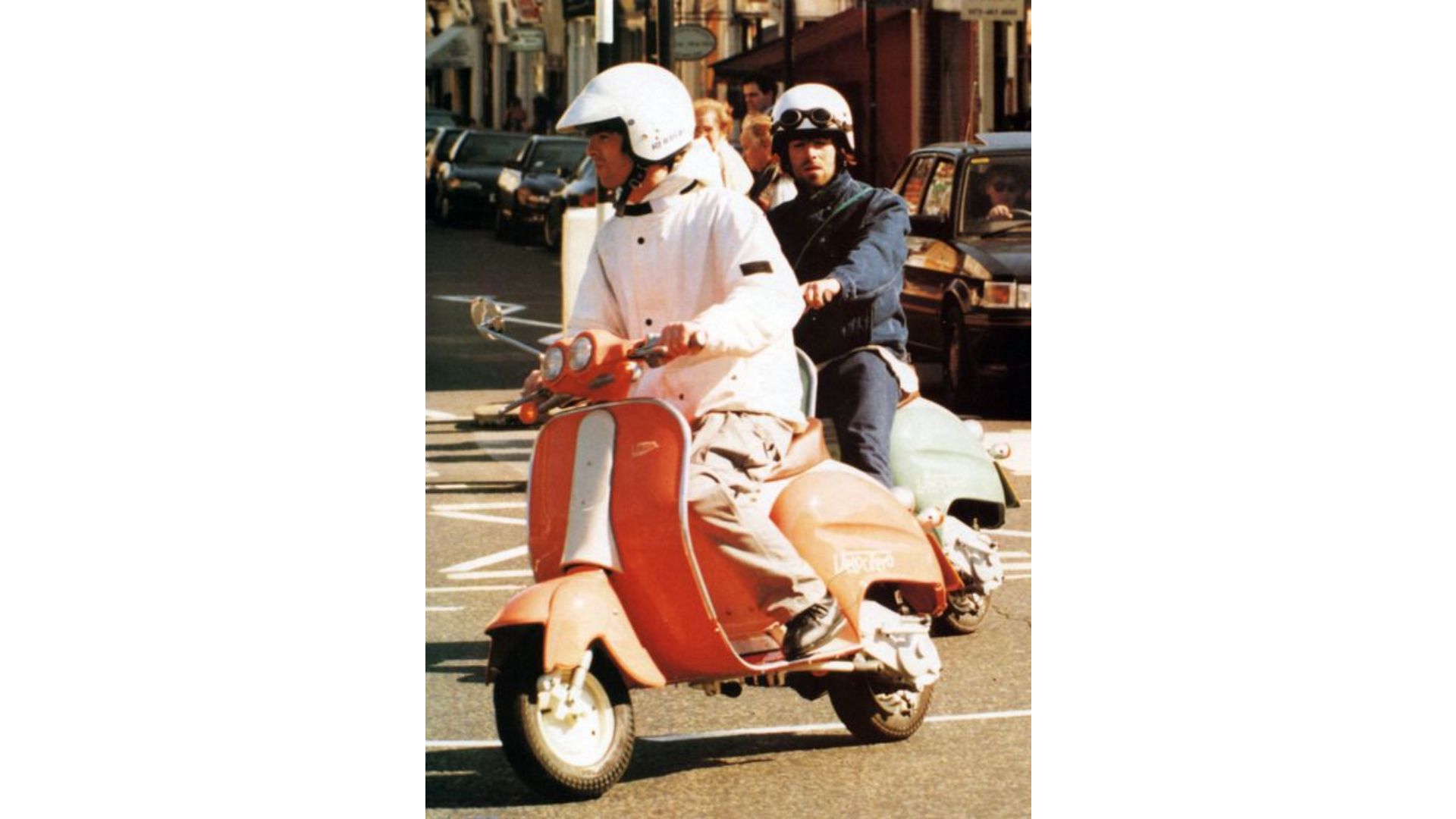
Liam and Noel Gallagher didn’t have driving licenses. In mid-1990s London, they got around on a moped designed in Bologna: the Italjet Velocifero, which appears in dozens of photos of the band from that era.
Thirty years earlier, Vespa and Lambretta had already begun shaping a British musical identity: that of the Mods. From there, by way of the Mod Revival, the Scooterboys, and Manchester, the road leads straight to Britpop.
Before Oasis, there were the Mods
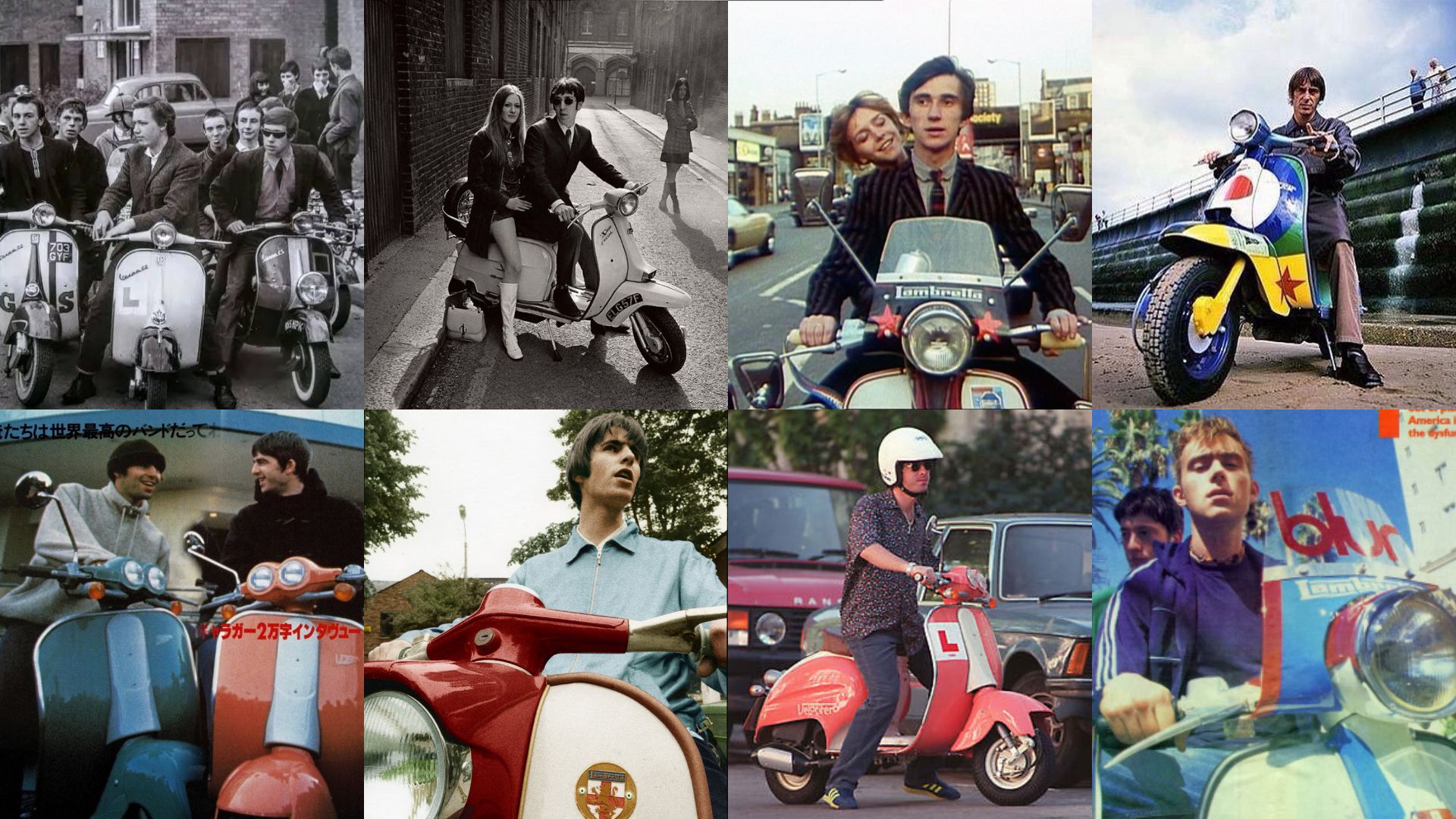
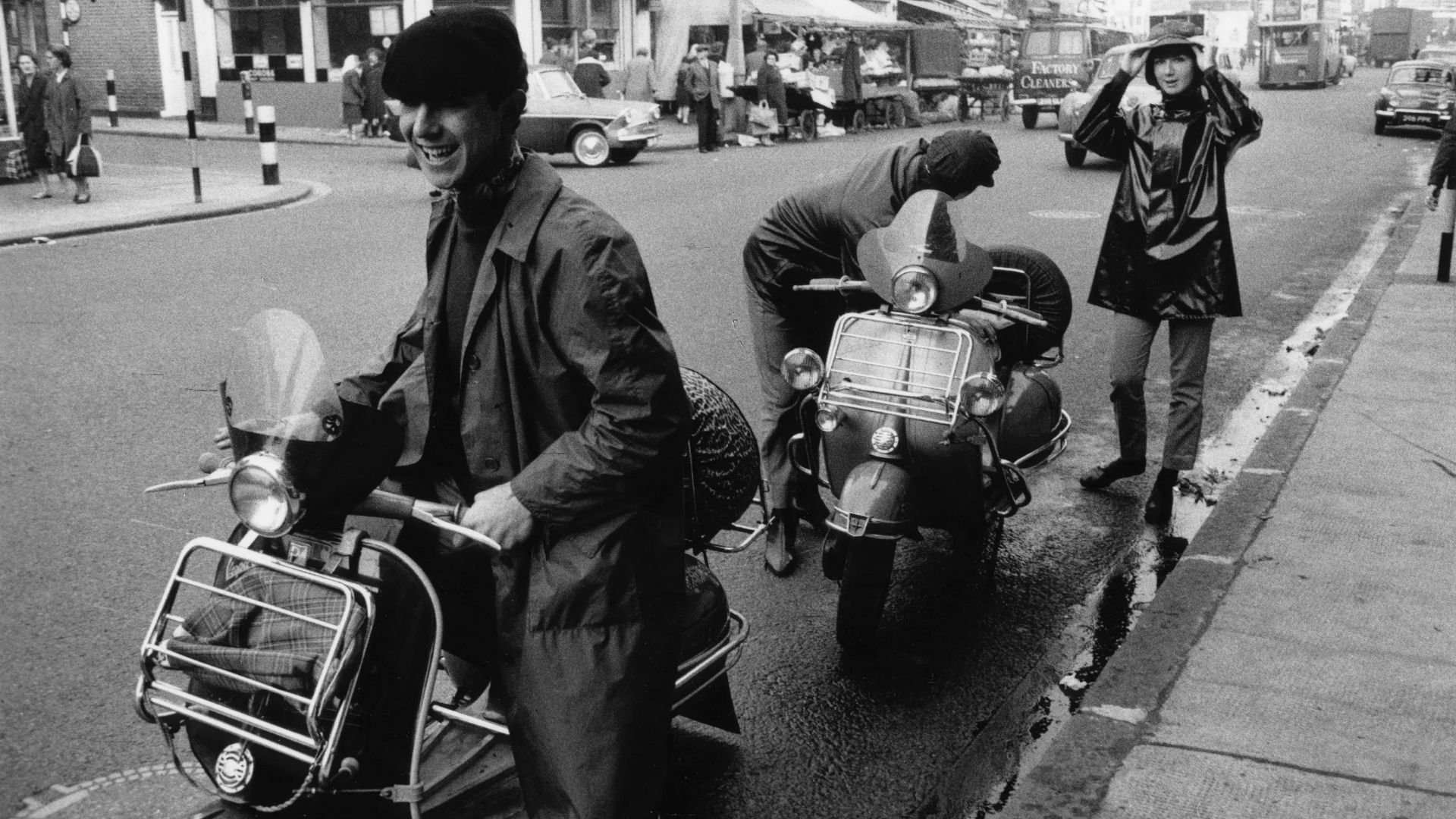
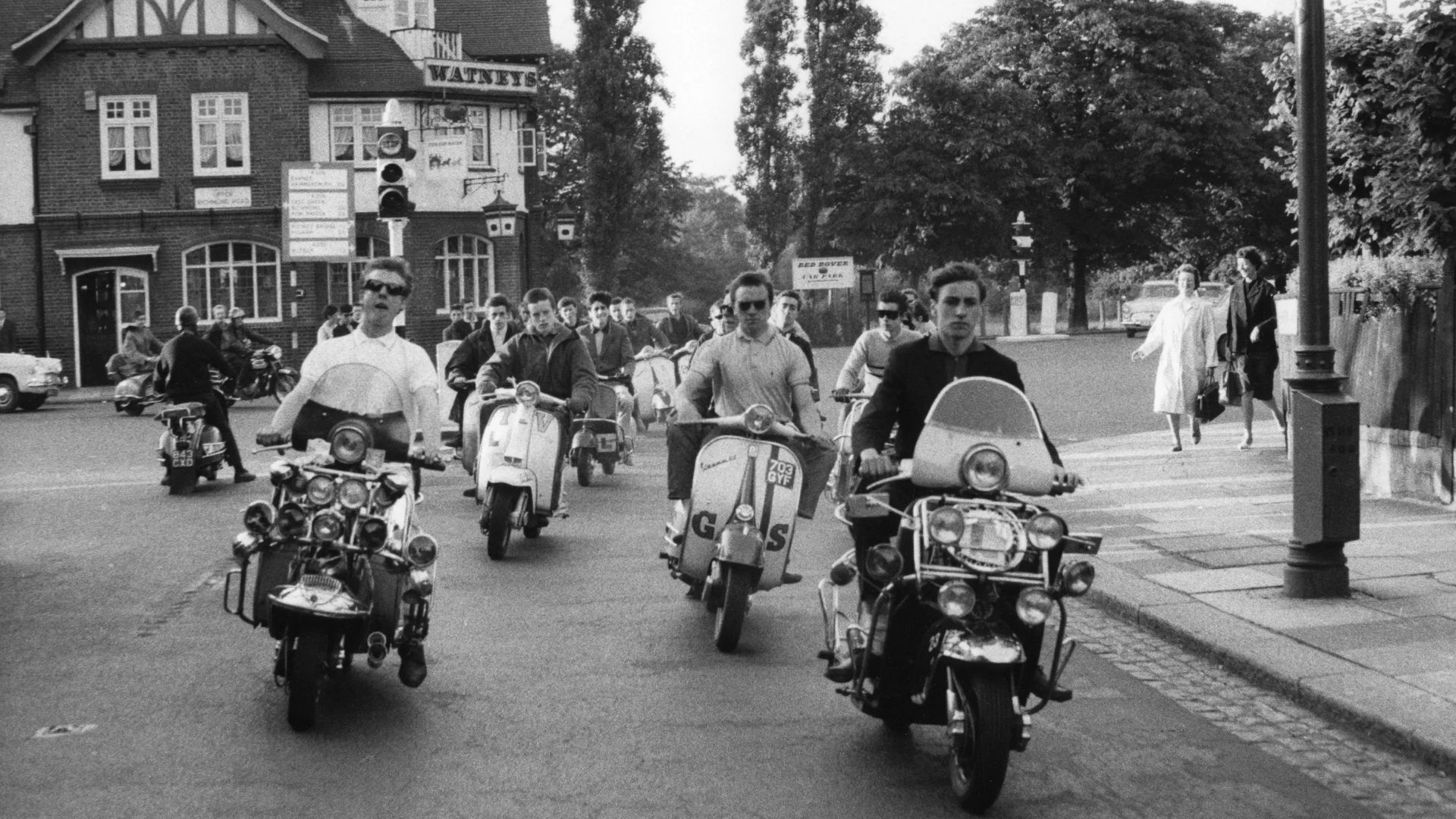
London, early 1960s. The Mods built their identity around music, fashion, and a distinct way of experiencing urban life. They frequented clubs, listened to jazz, soul, and rhythm & blues, and paid meticulous attention to their appearance. To get around, they opted mainly for Vespas and Lambrettas.
Choosing a scooter was also a practical decision. Mods often wore suits inspired by Italian tailoring, and a scooter’s enclosed bodywork protected them from road spray and grime far better than the exposed motorcycles of the Rockers. Scooters allowed them to zip across London and arrive at venues without ruining their outfits.
Vespas and Lambrettas thus became part of the same visual language that encompassed clothes, music, and local hangouts. Chrome trim, extra mirrors, headlights, and custom modifications made every ride unique, while the contrast with the Rockers helped define two distinct street subcultures: on one side, motorcycles and leather jackets; on the other, Italian scooters, tailored suits, and club culture.
Small Faces and The Who: the scooter enters the music scene
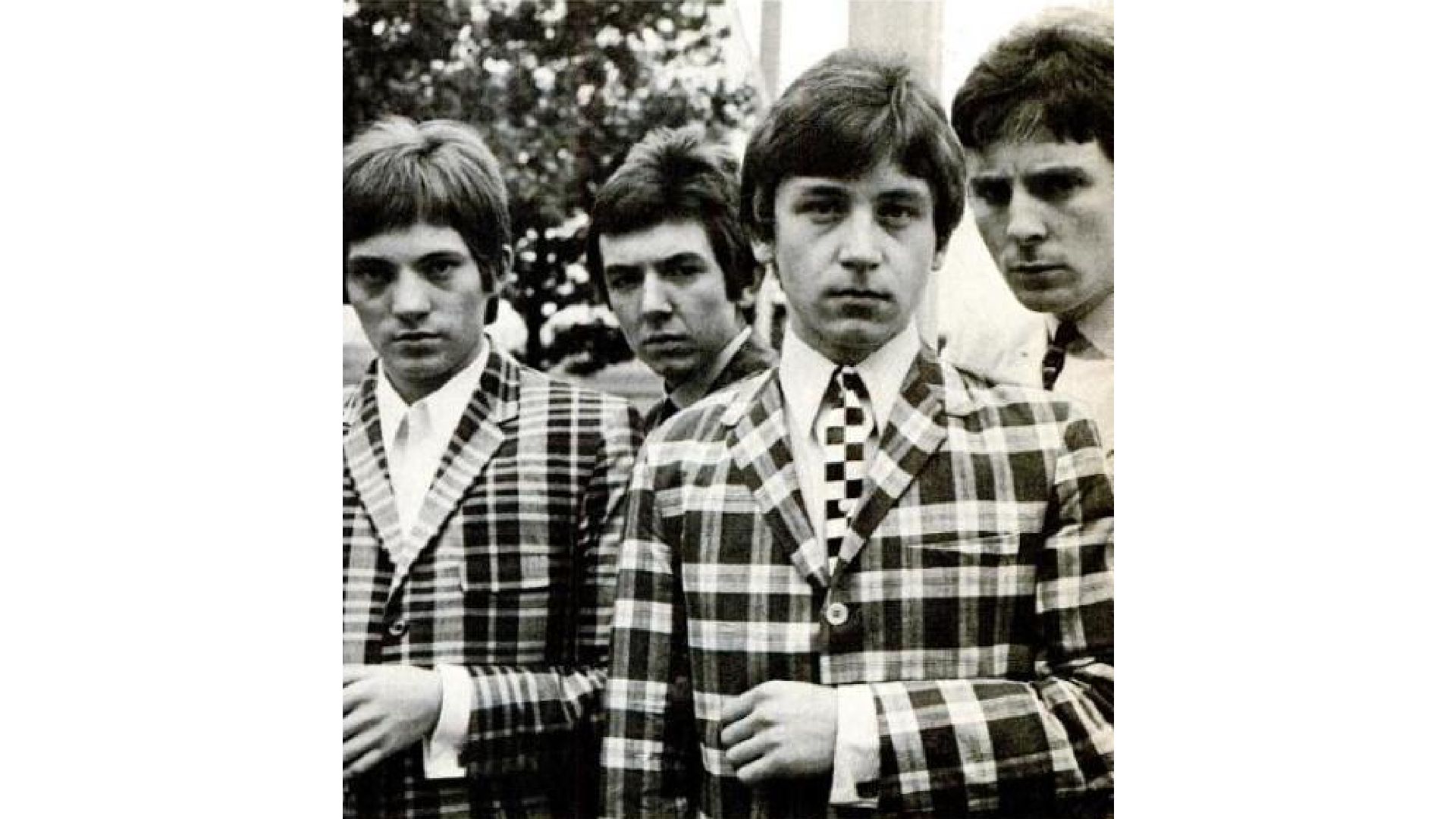
Among the bands closest to that scene were the Small Faces, formed in early 1960s London and deeply tied to the Mod movement. Their music grew out of the very same London club scene frequented by Mods, where soul, rhythm & blues, and Black American music played a central role.
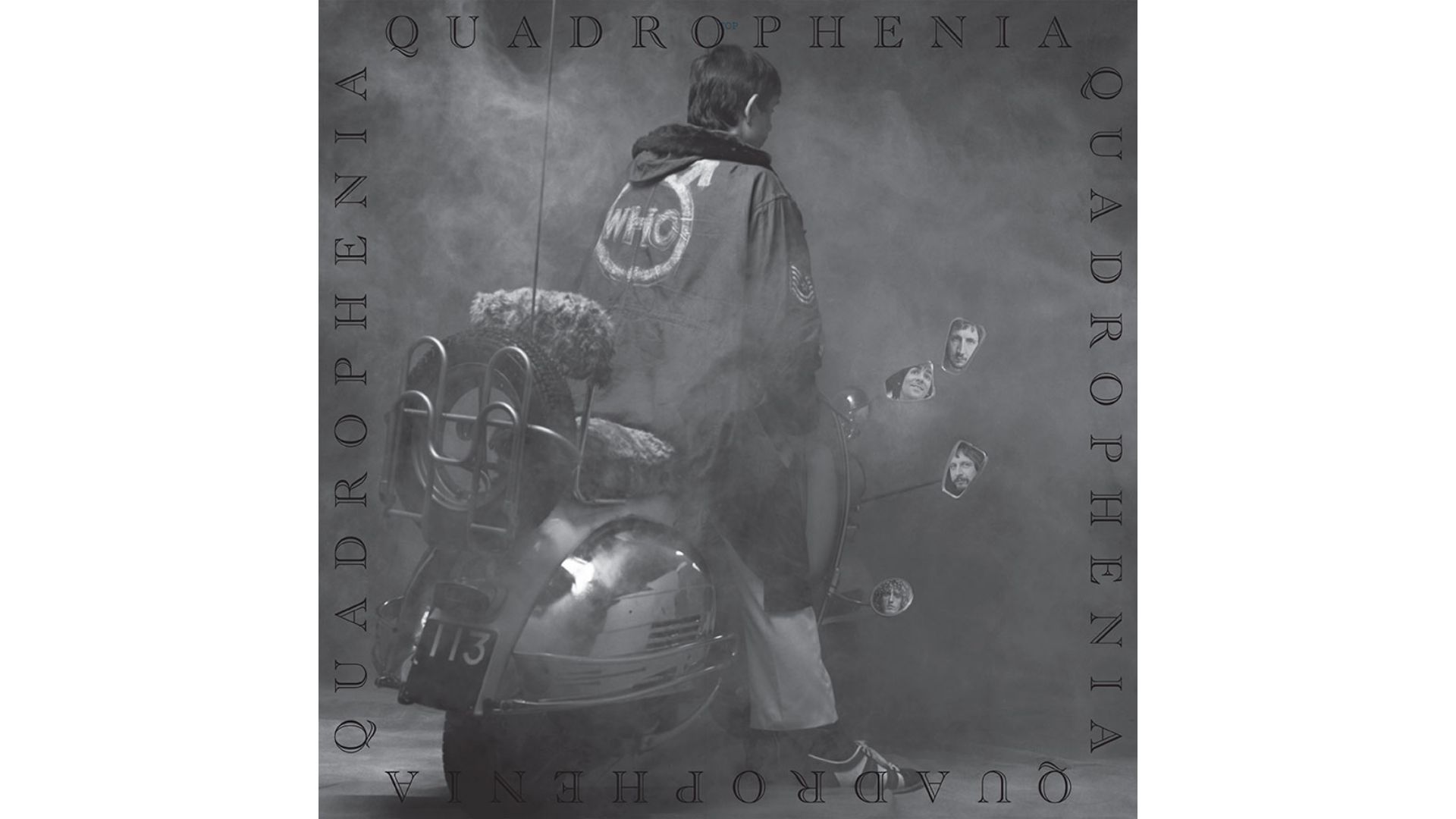
The Who were also closely linked to that culture. This connection became explicit with Quadrophenia, released in 1973 as the band’s second rock opera and built around the character of Jimmy, a young Mod in 1964 London. The scooter was as much a part of his world as the parka, the music, and the rivalries with the Rockers.
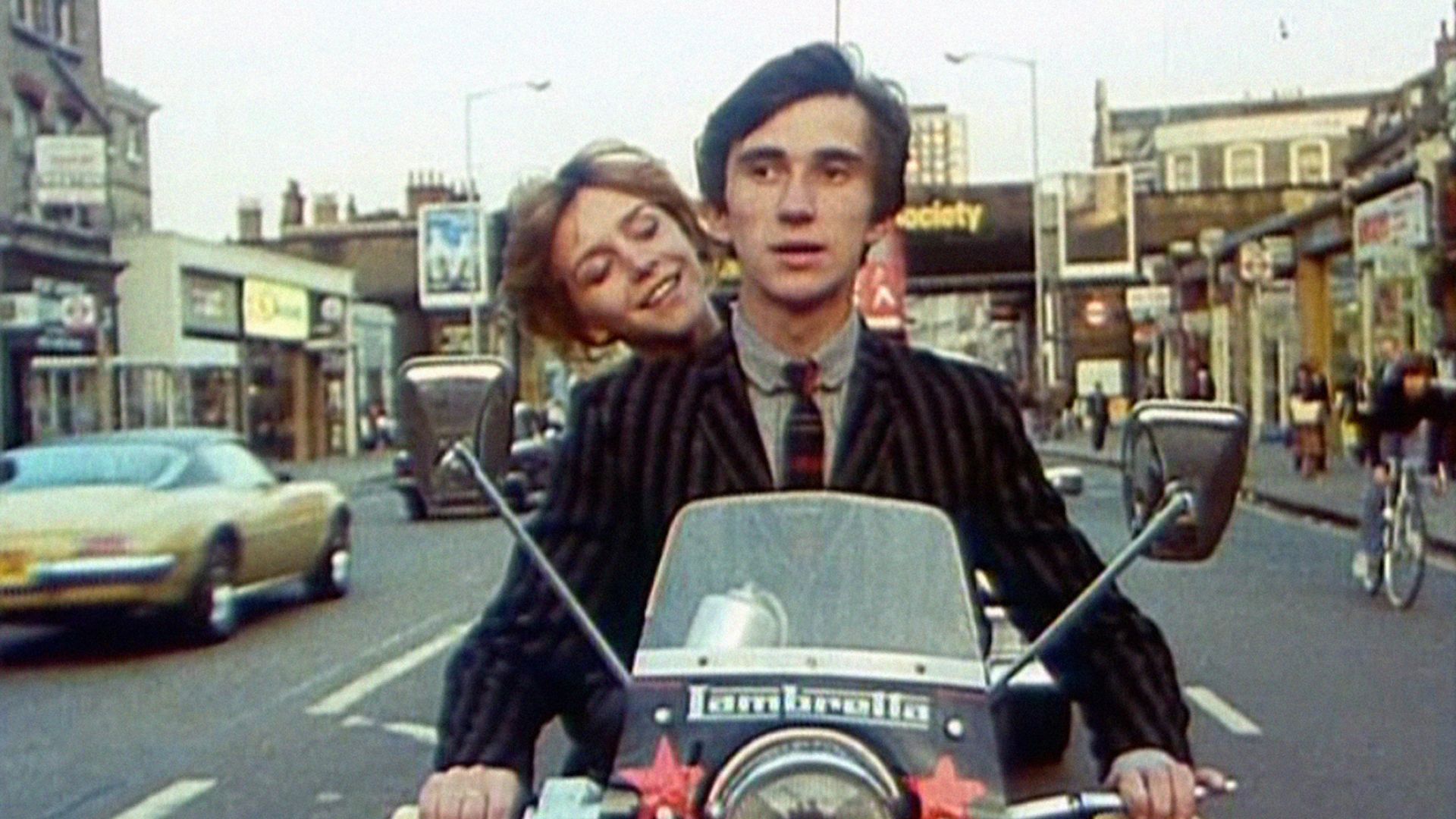
In 1979, Franc Roddam brought Quadrophenia to the big screen. Vespas, Lambrettas, parkas, and the streets of London became instantly recognizable imagery even for those who had never experienced that subculture firsthand. The scooter made the leap from the streets into mainstream popular culture.
Paul Weller and the Mod Revival
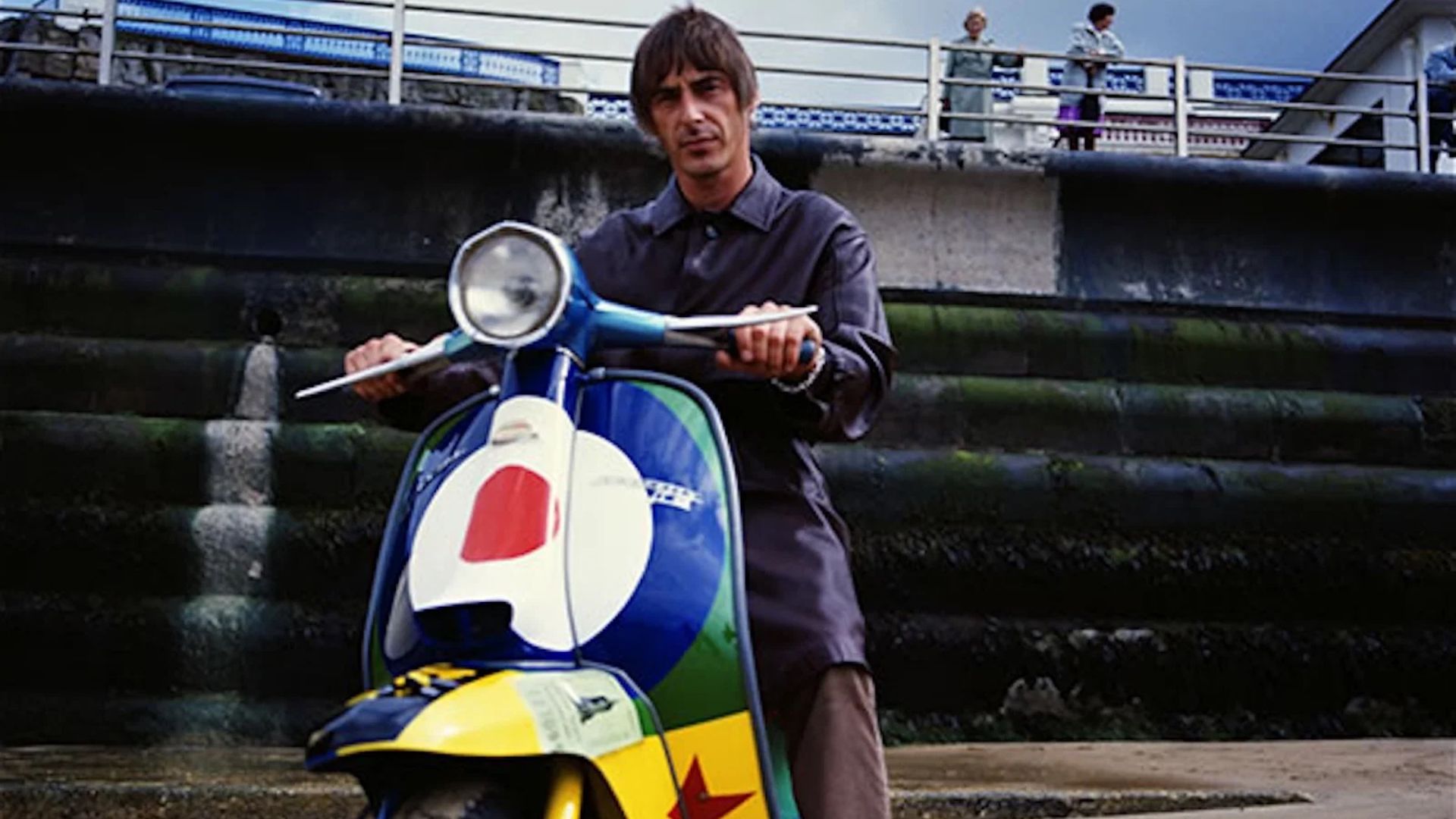
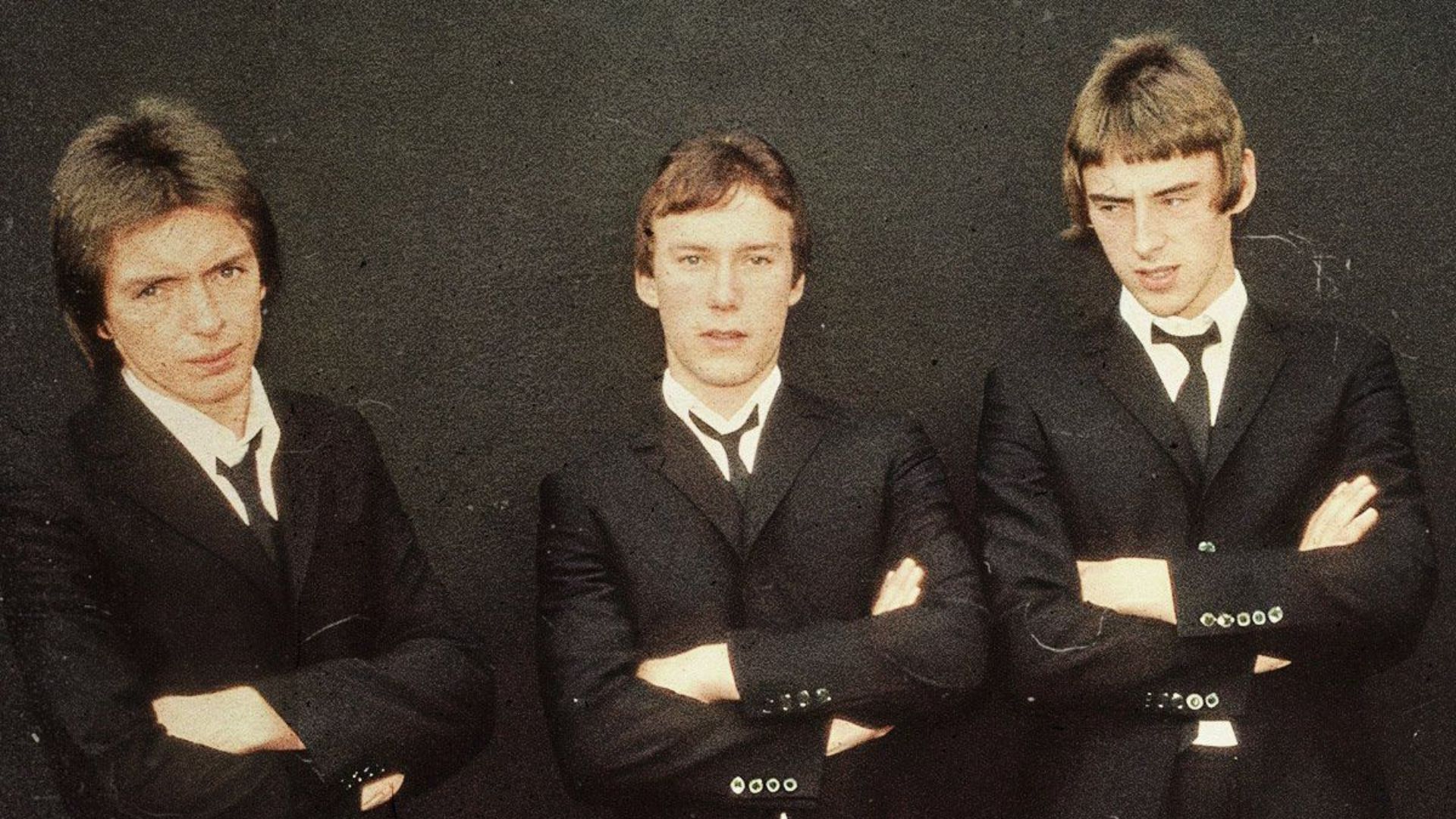
The movement did not disappear with the 1960s. In the late 1970s, while punk was reshaping the British music scene, Paul Weller and The Jam revived many core elements of Mod culture. The suit, the scooter, soul, and rhythm & blues re-emerged, but within a different era. Going beyond a nostalgic re-creation of 1965, Weller took those influences and injected them straight into the music and social tensions of the late seventies.
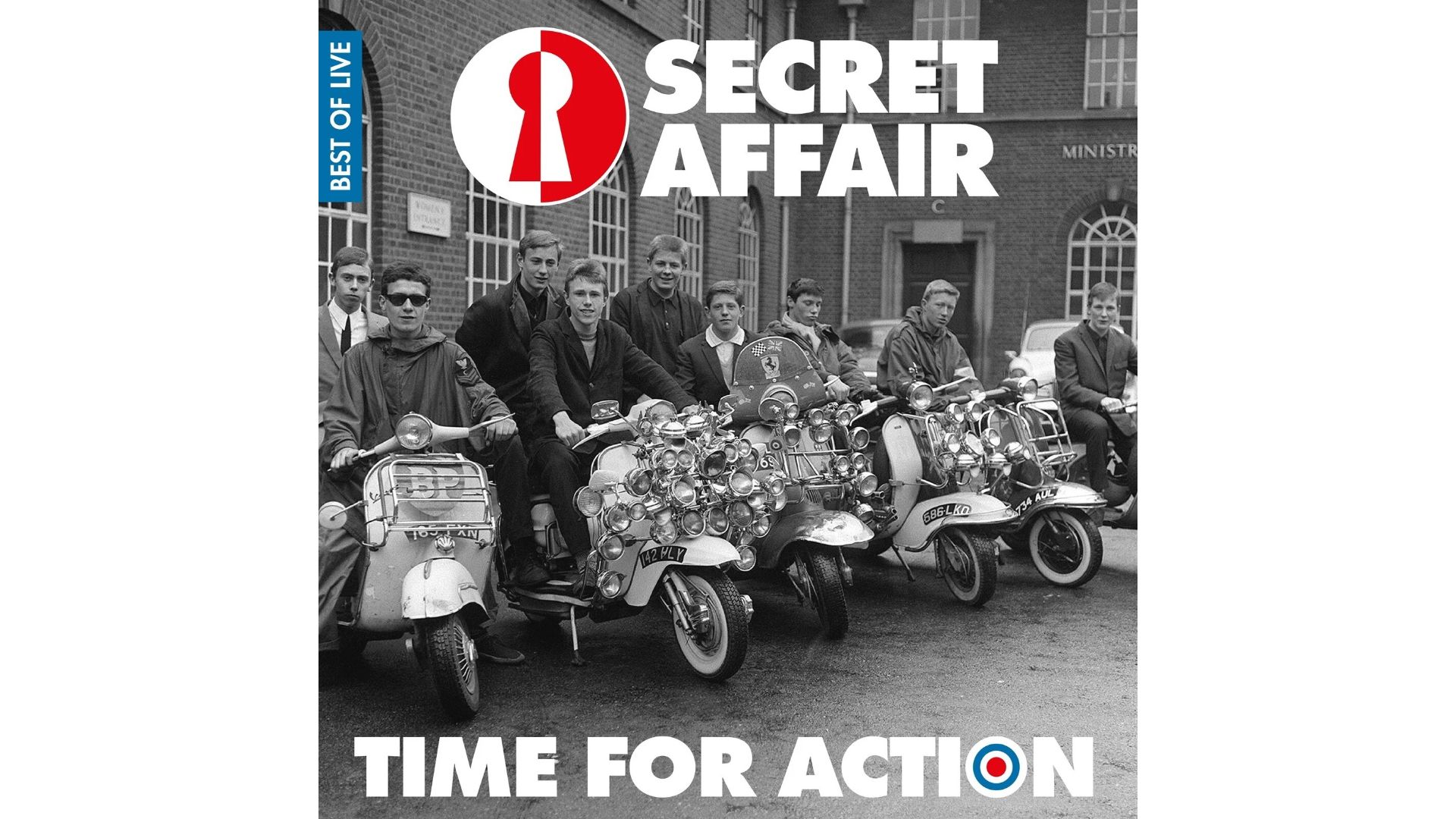
A new scene quickly grew around The Jam. In 1979, bands such as Secret Affair, The Chords, and Purple Hearts broke through, explicitly embracing Mod aesthetics and musical hallmarks.
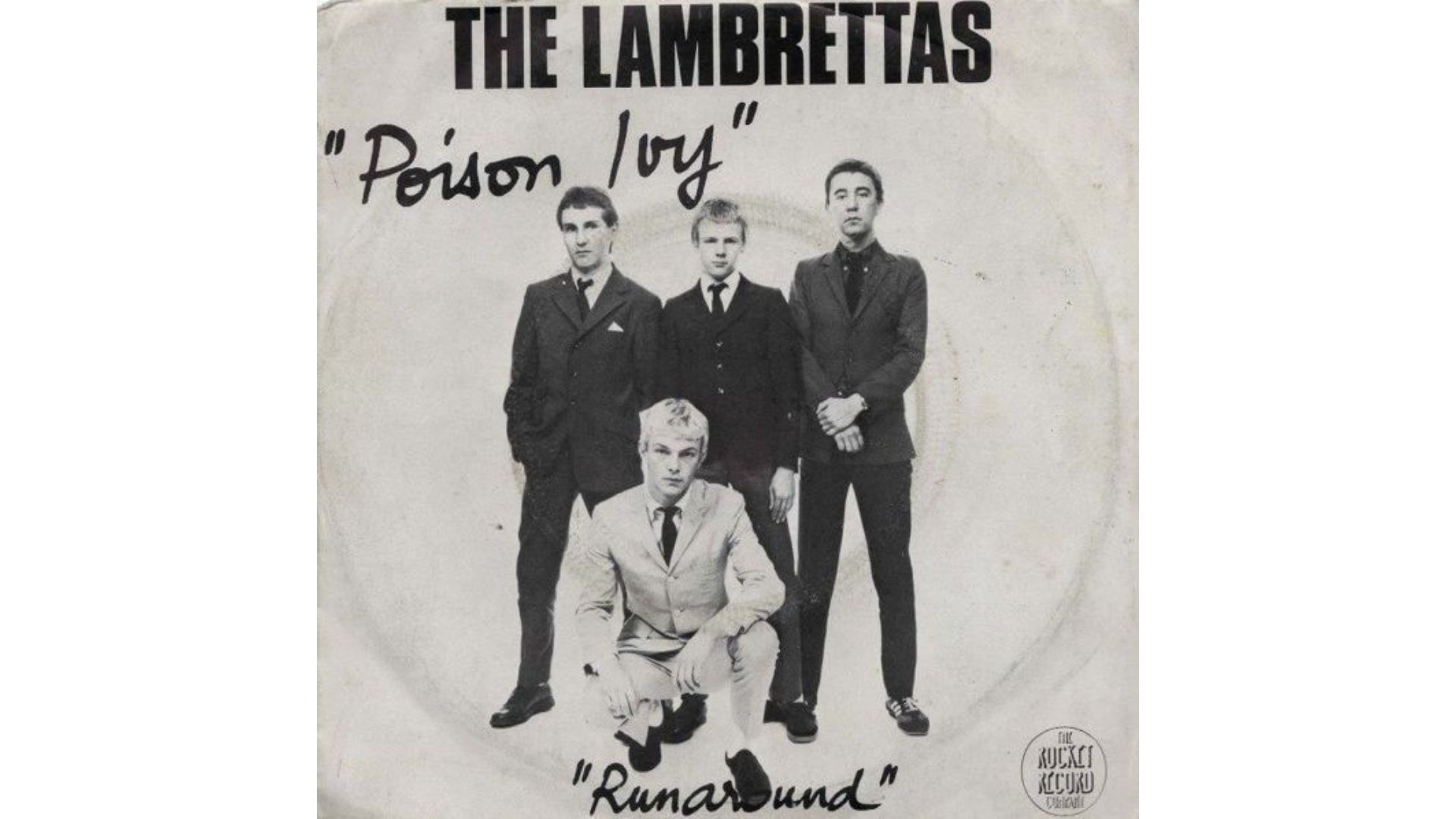
Around the same time, a band formed in Brighton that wore its connection to the scooter right in its name: The Lambrettas. Formed in 1979, they became a key act of the Mod Revival, reaching number seven on the UK charts in 1980 with “Poison Ivy.”
In just a few short years, the Lambretta had become iconic enough to land in the name of a band itself.
From Mods to Scooterboys
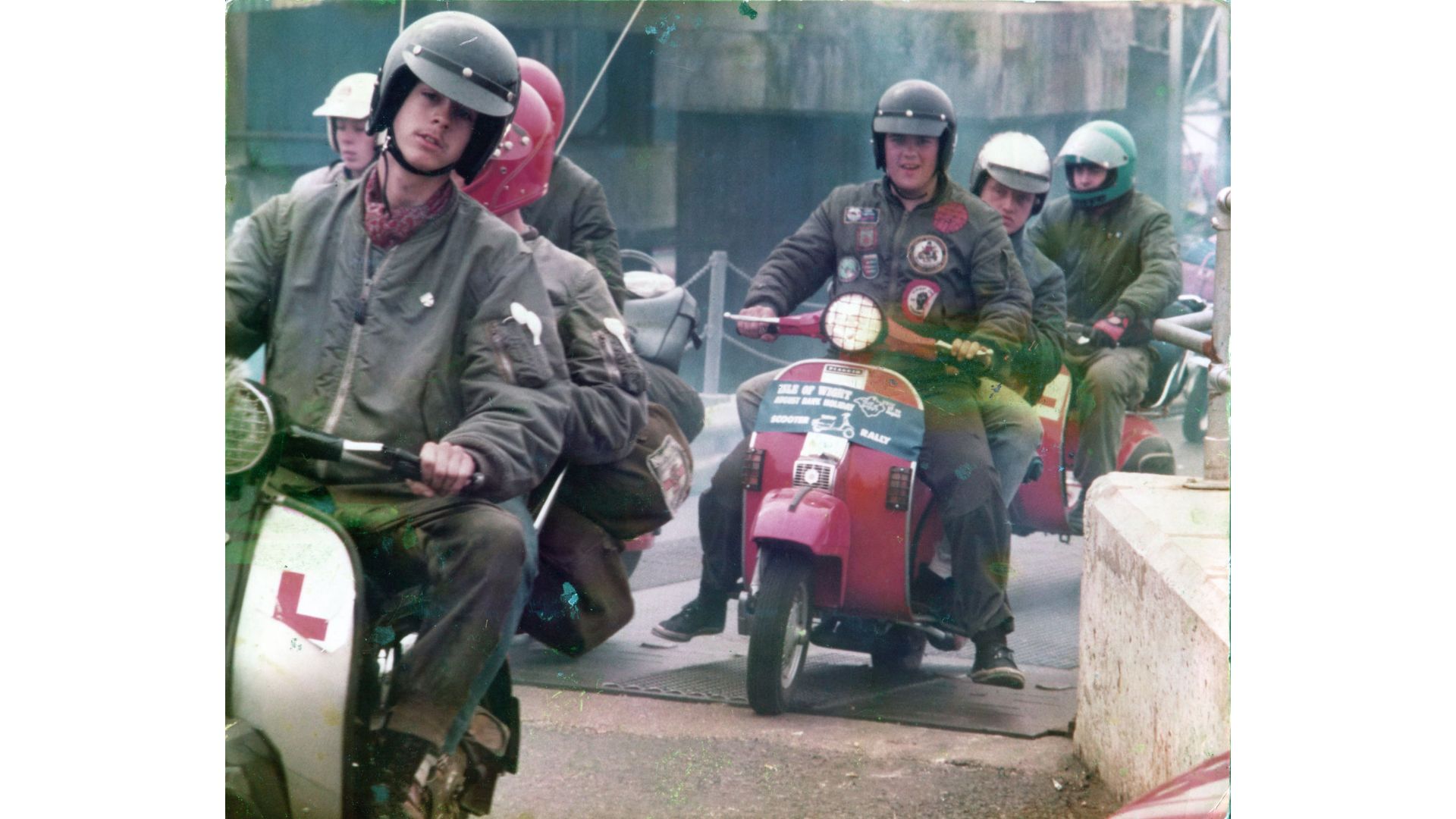
The renewed interest in scooters drew thousands of enthusiasts to rallies in the mid-to-late 1970s and paved the way, in the 1980s, for the emergence of a distinct scene: the Scooterboys.
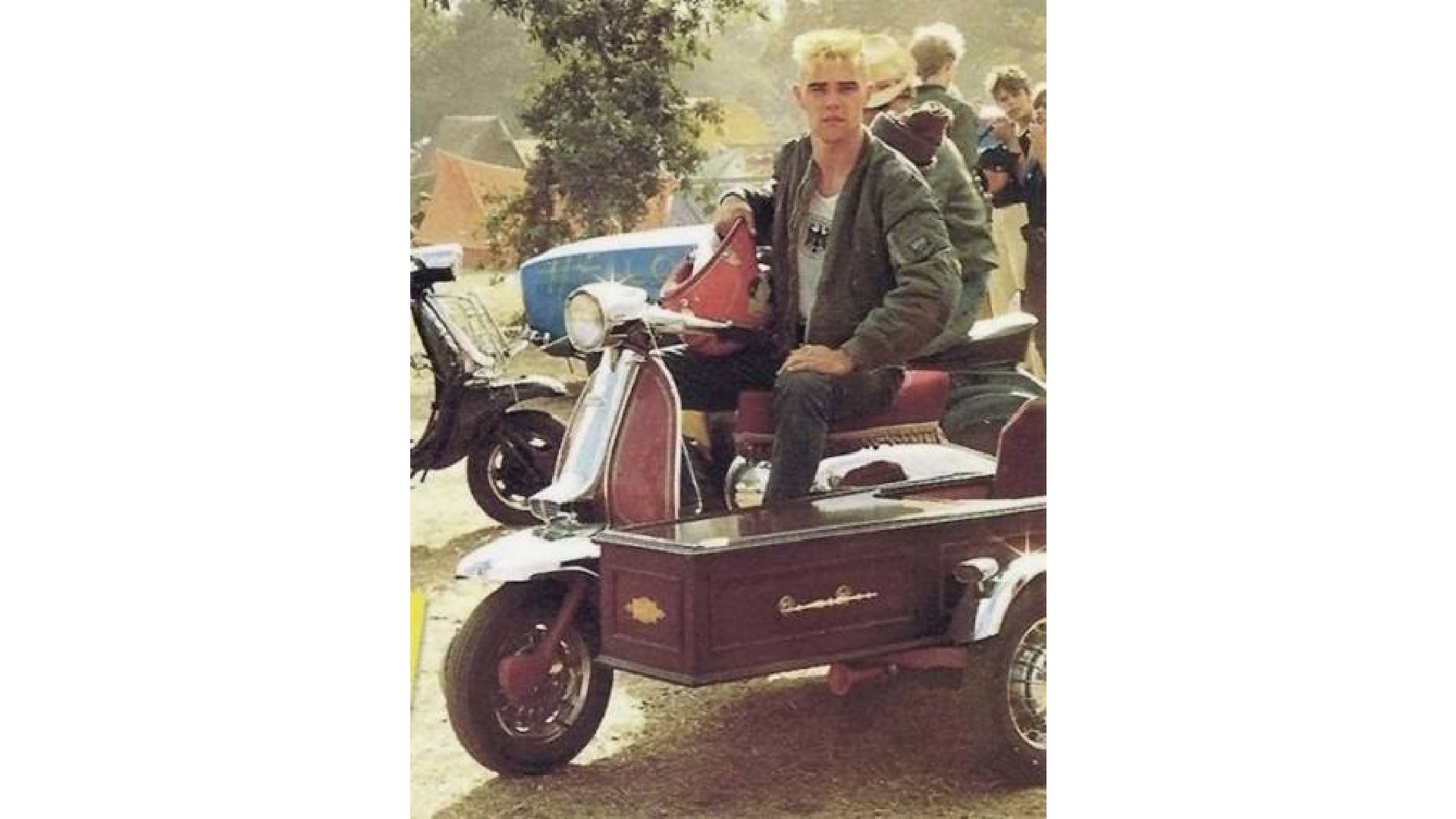
This shift is worth distinguishing from the Mod Revival. Scooterboys brought together people from diverse backgrounds, from Mods and punks to skinheads and football casuals, and built a culture of their own around rallies, music, and customized rides. Scooters underwent increasingly heavy modifications, becoming the heart of a community that no longer needed to align itself with 1960s Mod culture.
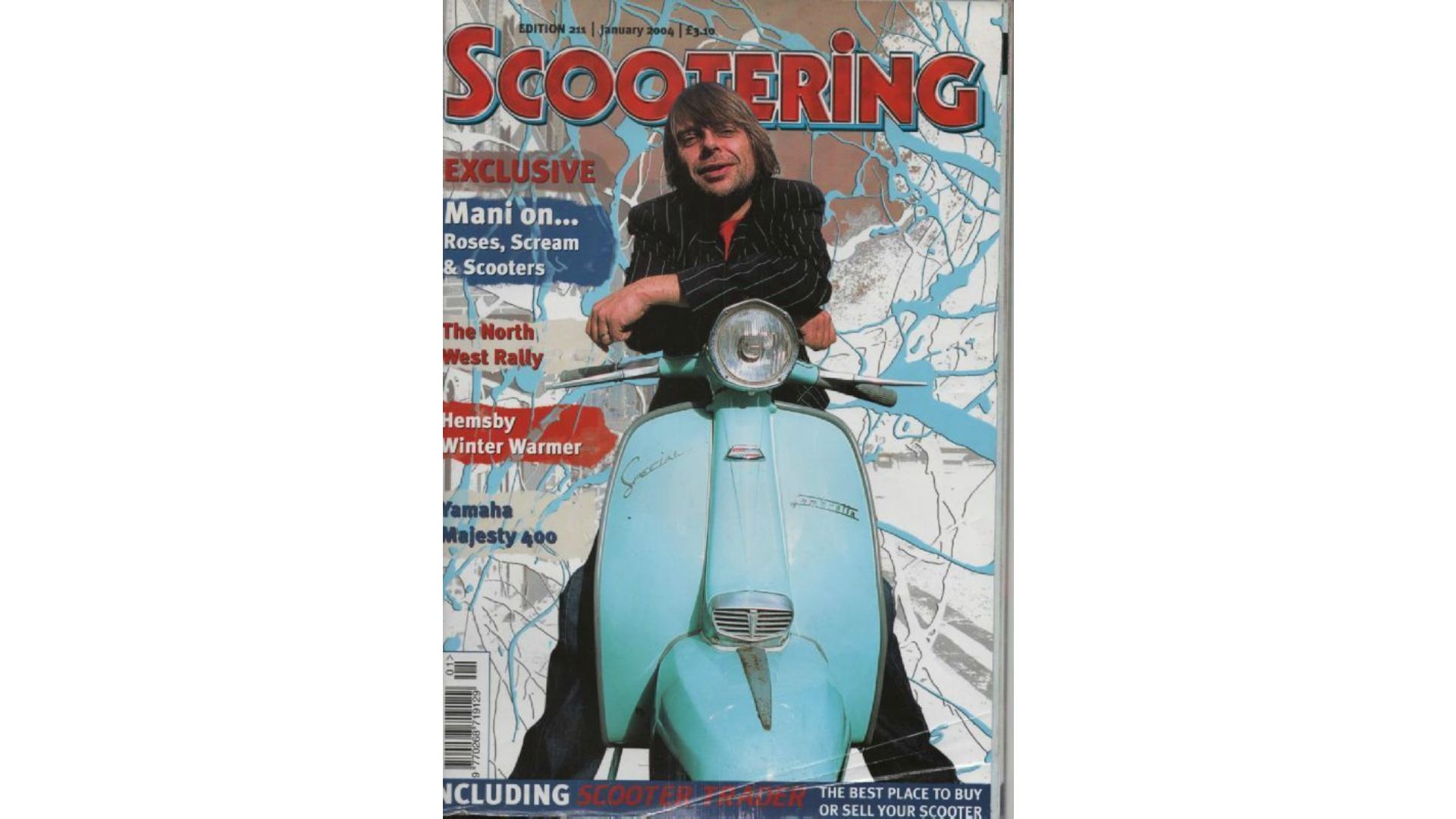
In Manchester, this scene also involved several musicians who would form The Stone Roses just a few years later. Ian Brown and Gary “Mani” Mounfield all attended scooter rallies in the early 1980s. Brown became especially involved in the scene, while Mani maintained a close connection to the Lambretta world for years to come.
Mani serves as an intriguing connection because he highlights just how far Scooterboys had strayed from the classic Mod template. Their subculture merged Northern Soul, Motown, ska, punk, psychobilly, and terrace culture. In Mani’s case, this environment flowed straight into the Manchester of The Stone Roses.
Ultimately, the scooter kept changing alongside the music. First a Mod symbol, then the centerpiece of an autonomous subculture, it bridged the gap to the generation that would grow up on The Stone Roses, Madchester, and Britpop.
Blur, Oasis, and the arrival of the Velocifero
In the 1990s, as Britpop brought British music back into the international spotlight, the Lambretta continued to feature in the imagery of its leading figures.
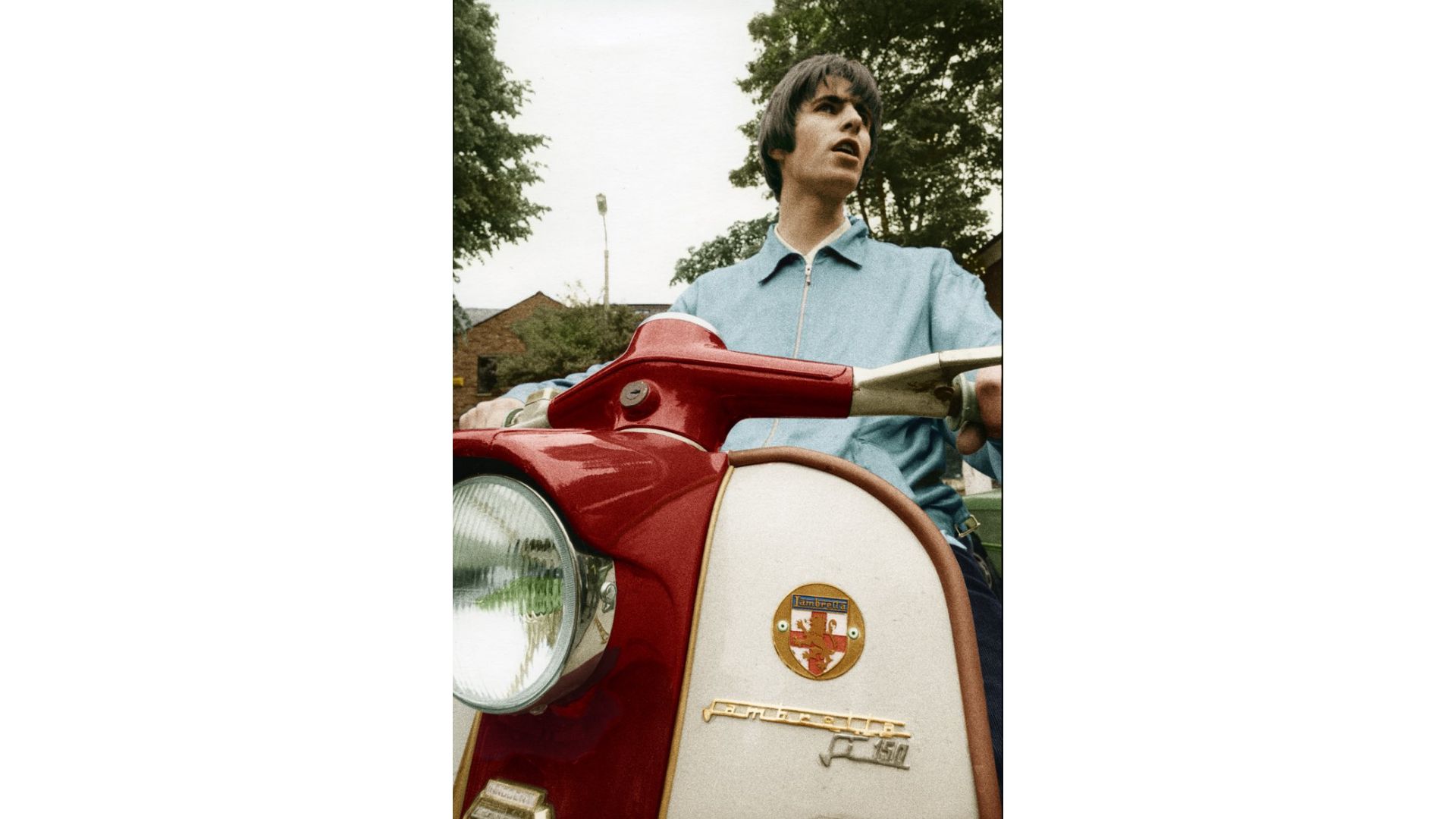
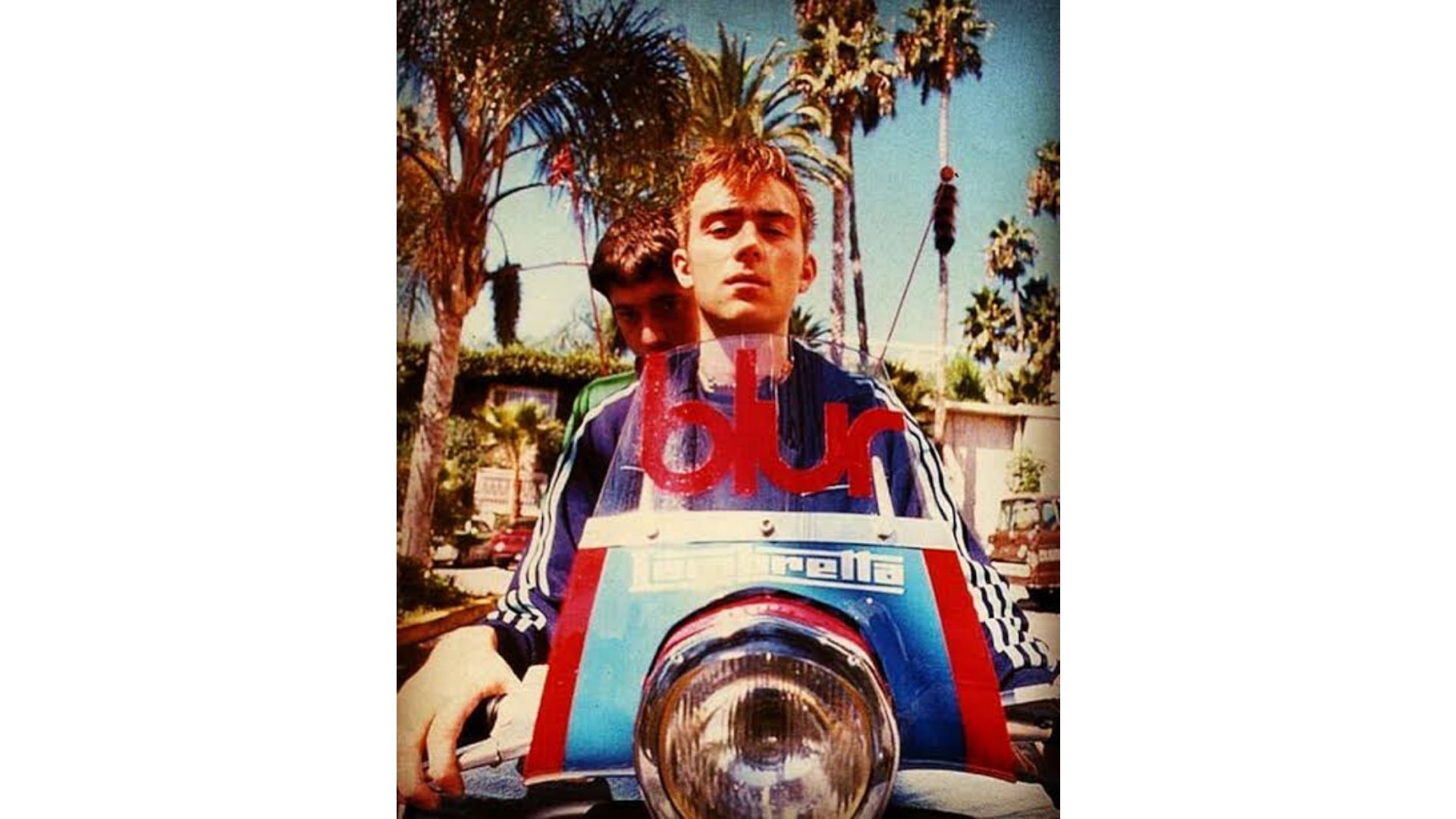
Damon Albarn, frontman of Blur, has talked about owning a Lambretta as early as age sixteen, when he spent his summers in Umbria. During Blur’s peak years, he was photographed multiple times riding the Italian scooter. The Lambretta thus resurfaced alongside a new generation of British musicians, decades after its initial association with the Mods.
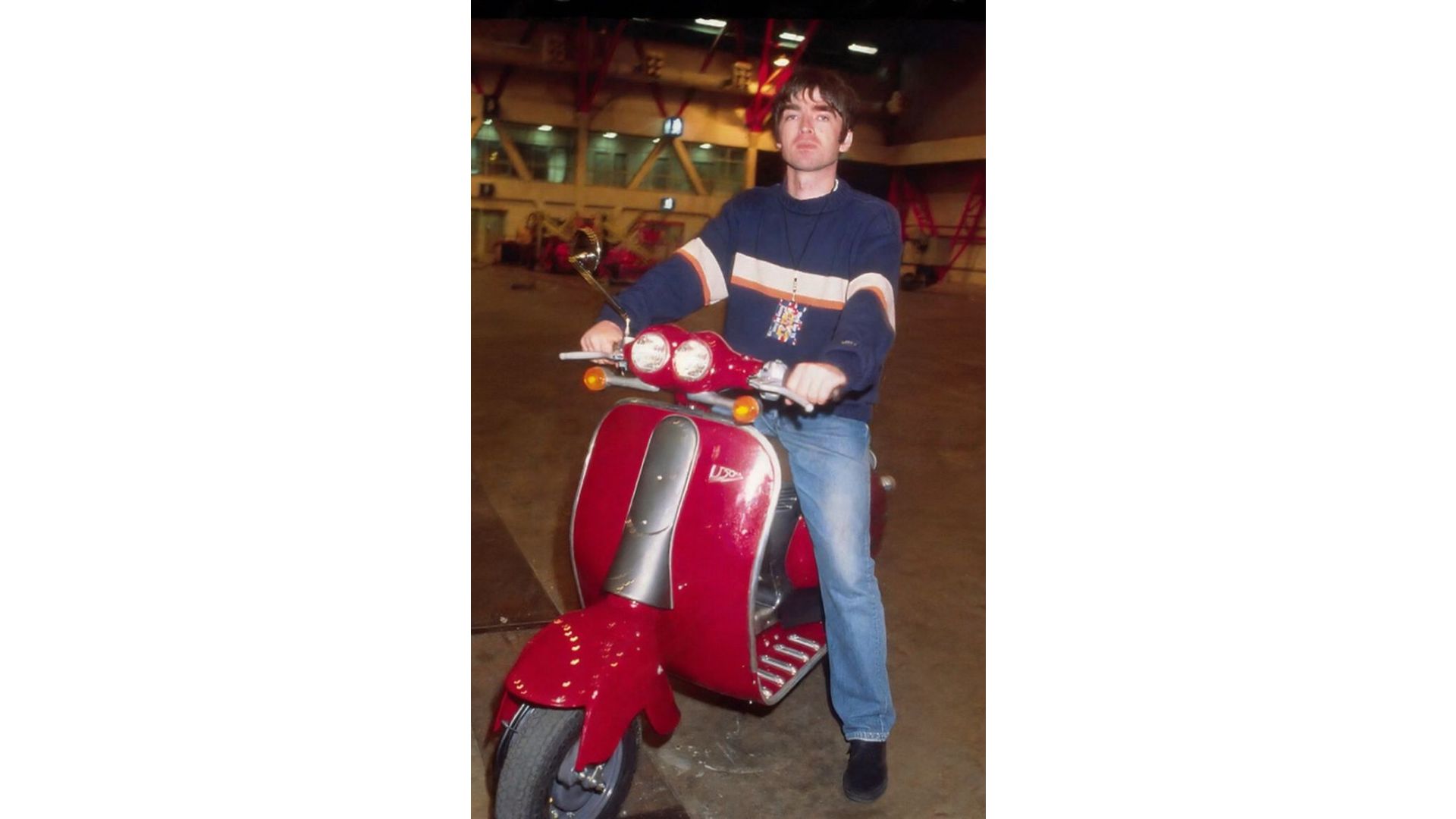
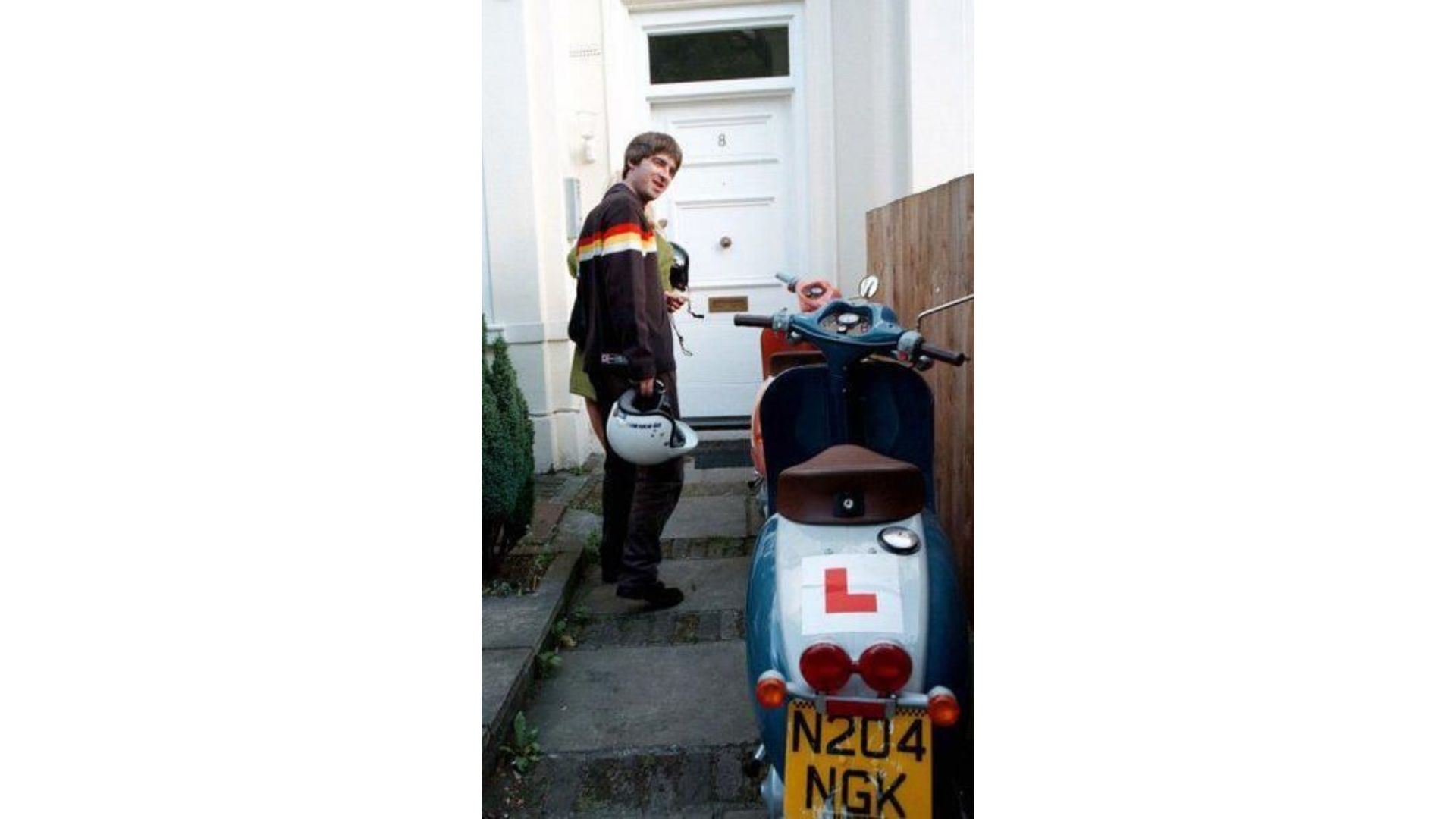
Oasis also had a special connection with scooters: Liam and Noel Gallagher appear in several period photos riding Lambrettas. However, among the scooters that entered their lives was a much more recent and unusual model: the Italjet Velocifero50, a recurring presence in photographs of them from those years. Neither of the brothers had a driver’s license, making the moped a practical way for them to get around the city.
Developed in Bologna in the early 1990s, the Velocifero was presented at the Milan Motorcycle Show in 1993 and went on sale in 1994. The first year of production took place at the Italjet plant in San Lazzaro di Savena, before manufacturing was relocated to Roseto degli Abruzzi in 1995. Its design offers a contemporary take on classic scooter styling.
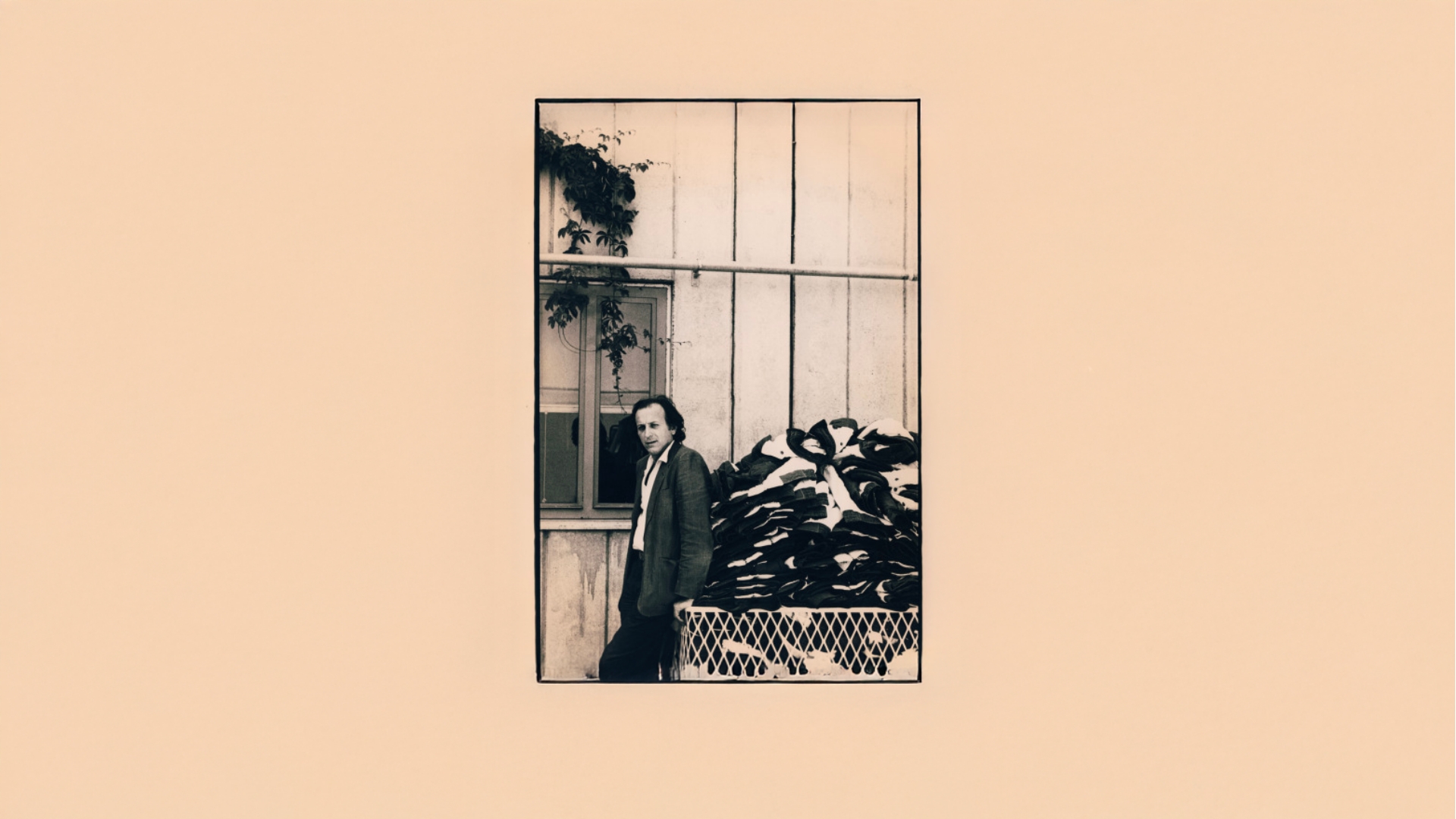
The connection between Oasis and Bologna, however, goes beyond scooters. In the 1980s, working-class English football fans travelling to Italy to follow their teams in European Cup away games discovered C.P. Company and Stone Island, the brands created in Bologna by Massimo Osti (in 1978 and 1982, respectively). Many of them came from the industrial areas of Northern England and had a particular familiarity with fabrics and manufacturing. They were therefore quick to recognise the innovation behind Osti’s designs, driven by an obsessive exploration of new materials, functionality and military-inspired clothing.
Unable to afford these garments, some even resorted to stealing them directly from Italian shops to take them back home. The Gallagher brothers did not come from textile factories, but they shared that working-class background and, above all, the same football-terrace culture. This is also how those garments became their second skin, and how, in the UK, Massimo Osti found one of his most devoted audiences.
We have written about Osti’s story, which is also closely connected to the MilleMiglia and Bologna, in the article linked above.
The story of Italjet runs through San Lazzaro
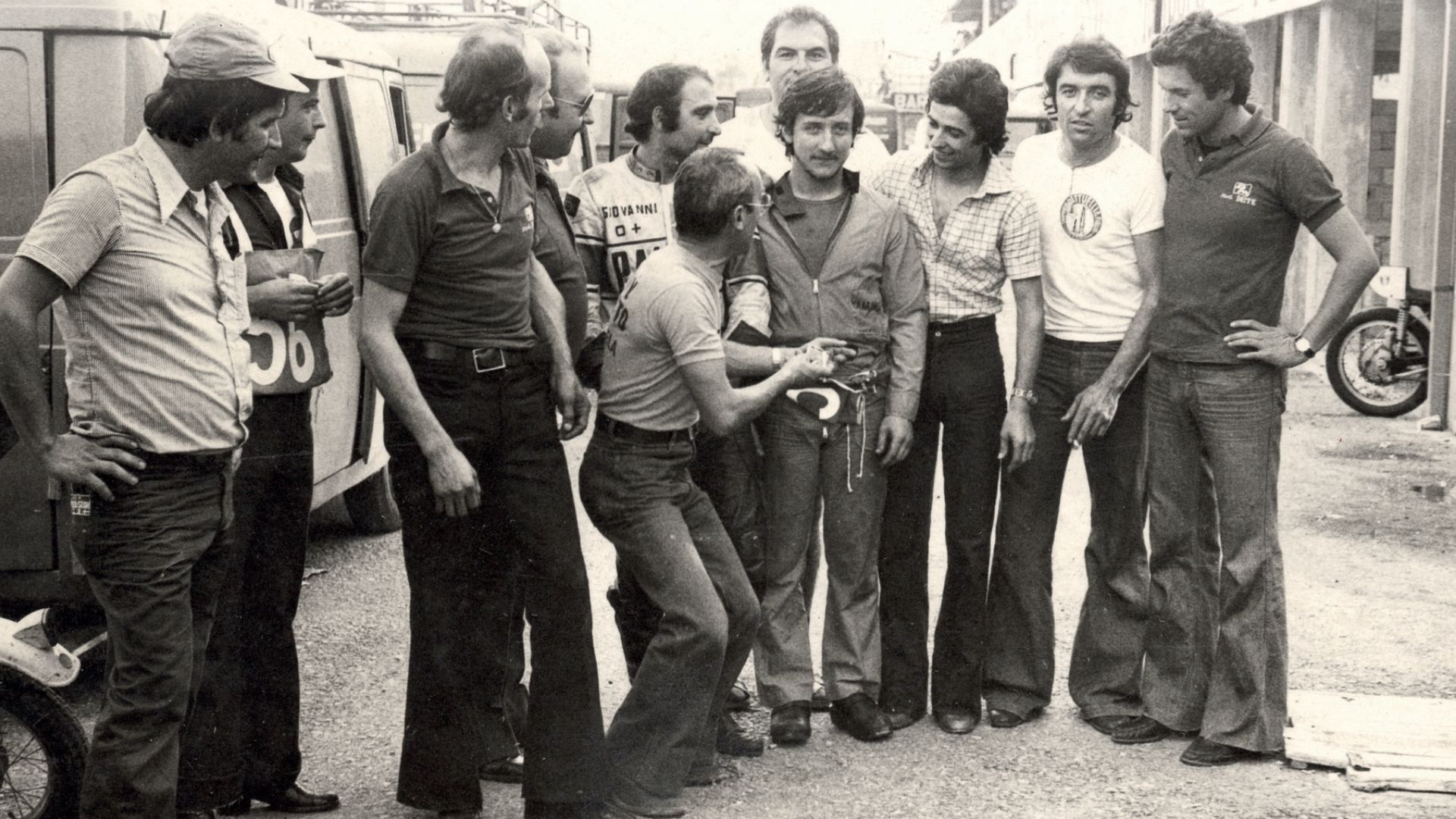
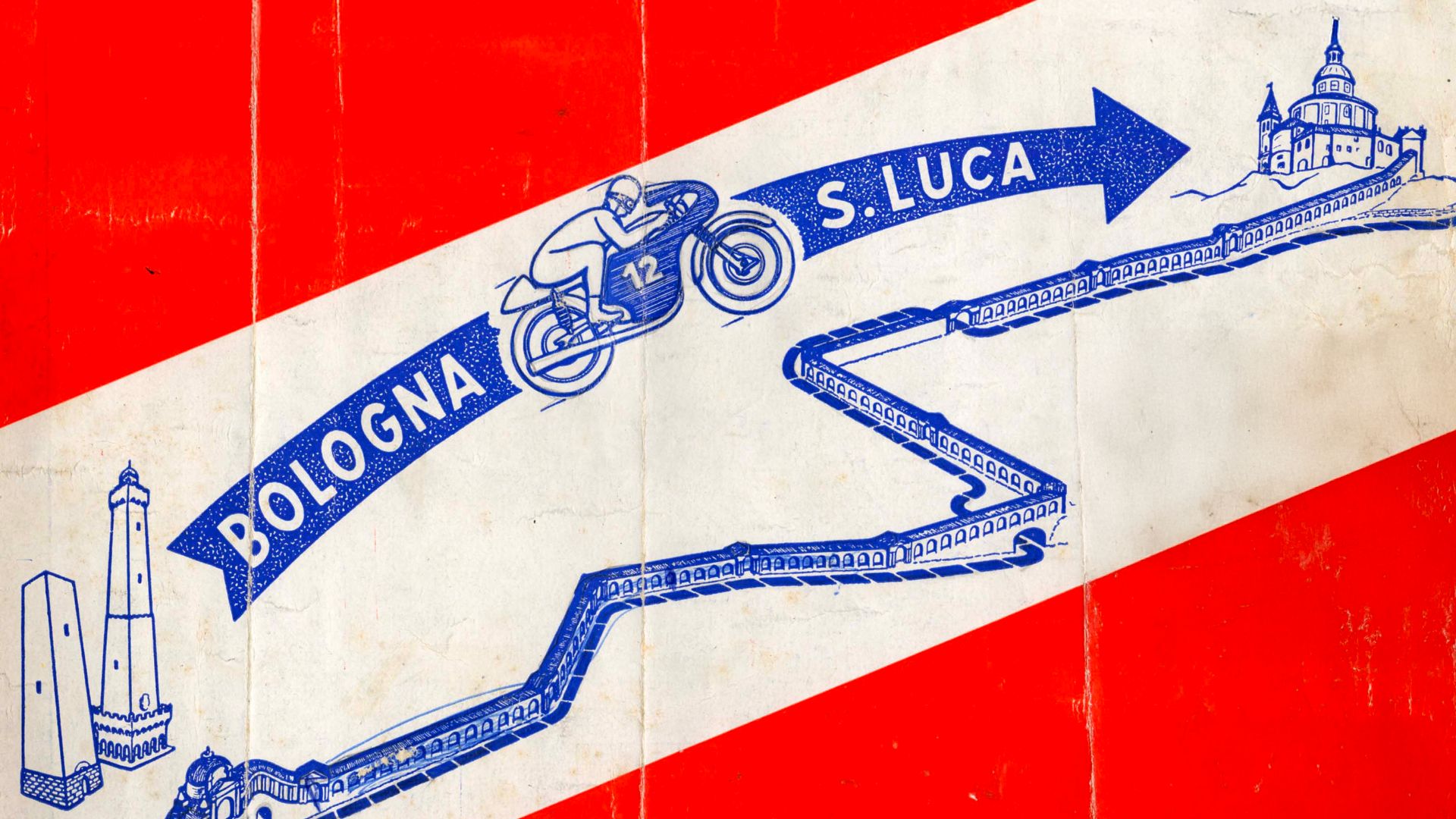
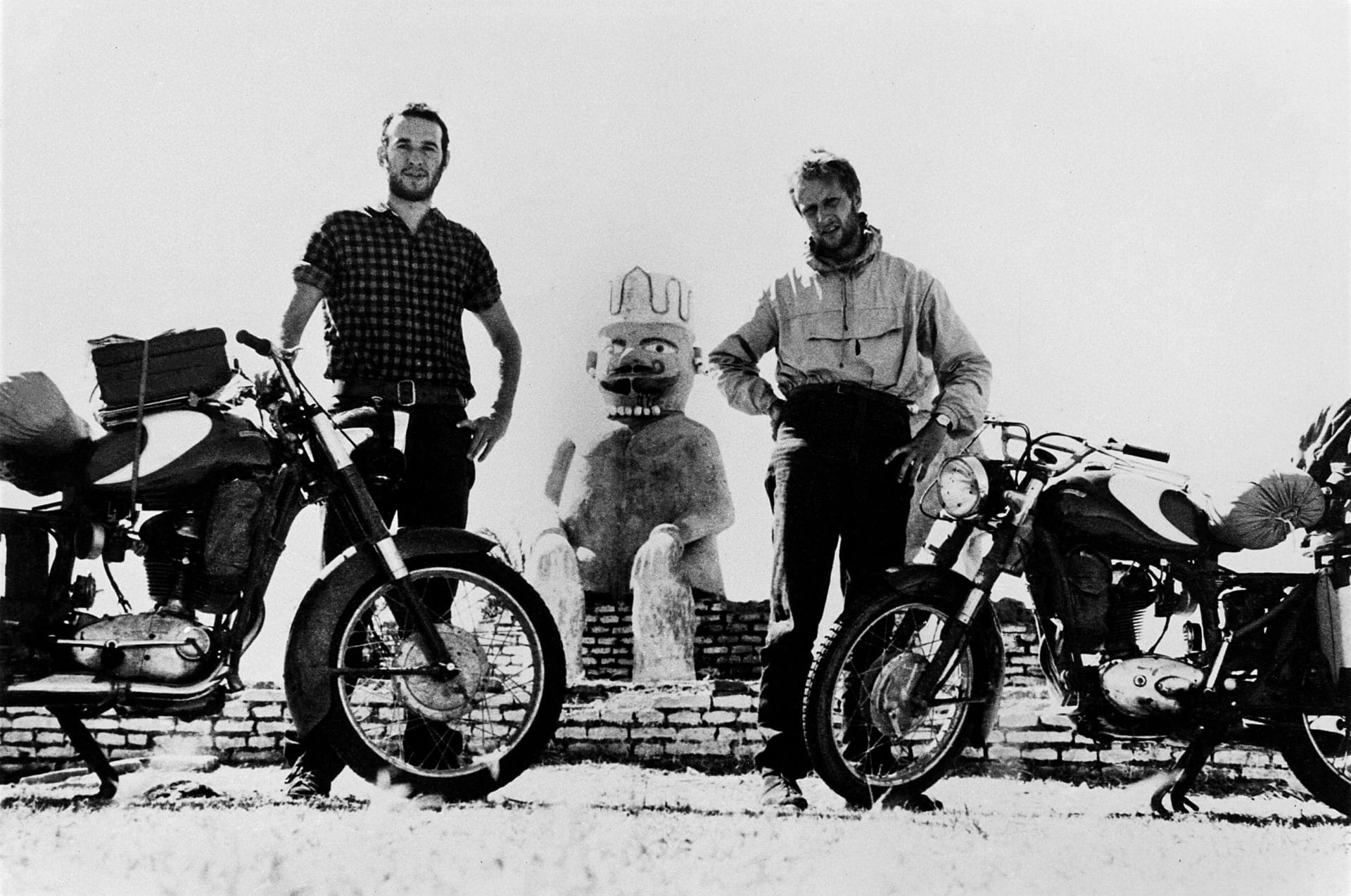
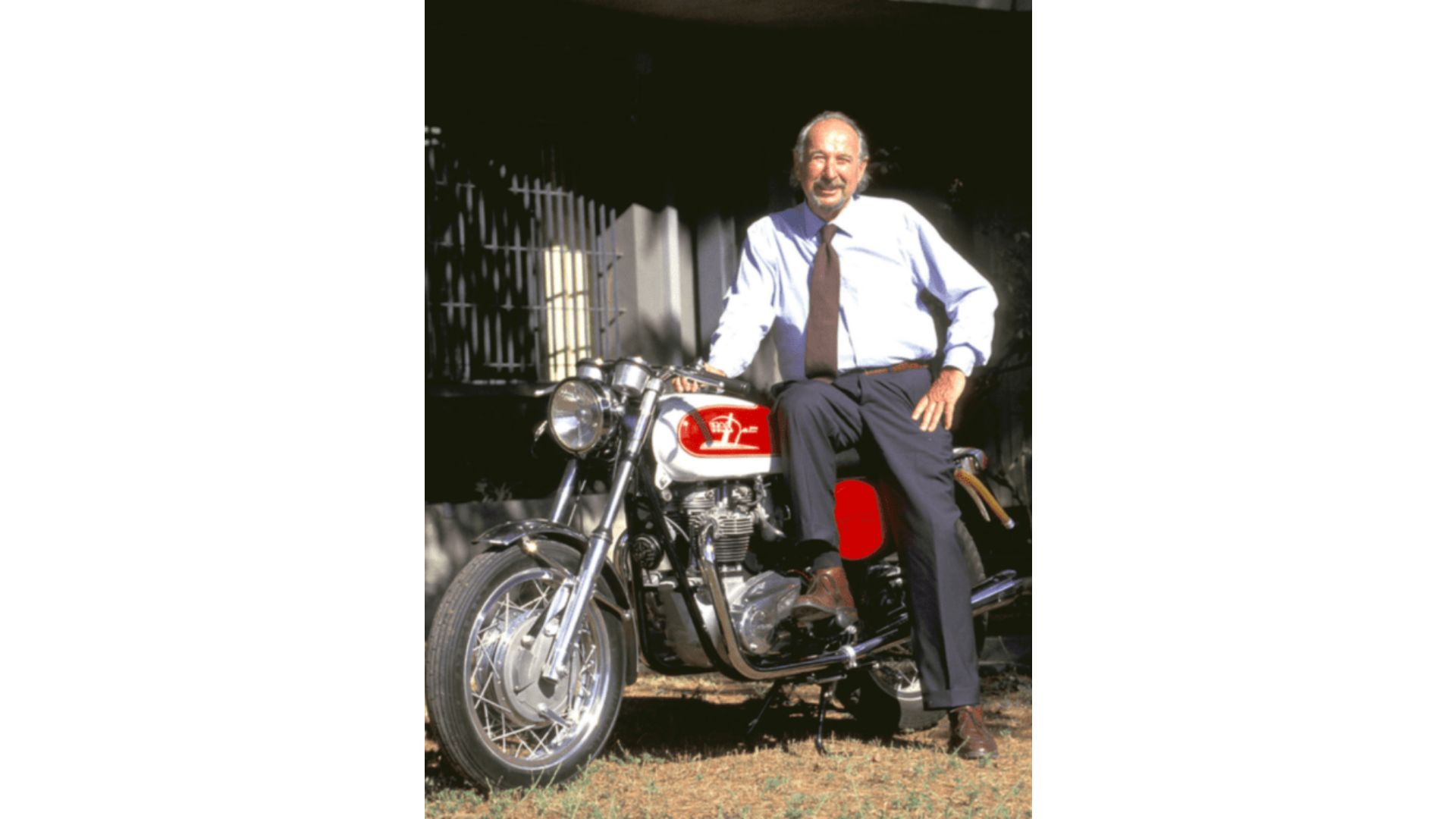
The story of Italjet took shape in Bologna in 1960, when LeopoldoTartarini — a former factory rider for Ducati who, alongside Giorgio Monetti in 1957–58, embarked on a nearly 60,000-kilometer round-the-world journey across five continents on two Ducati 175s — founded the company.
Over the following decades, Italjet evolved through mopeds, motorcycles, and scooters, leading up to the era that birthed the Velocifero. The model perfectly captures the direction taken by the company in the 1990s: taking recognizable classic scooter shapes and reinterpreting them through a contemporary design.
The connection with Oasis adds a unique chapter to the company’s history. A model born in MotorValley thus found its way into the daily lives of one of the most important British bands of the nineties, one that remains a major force on the music scene today.
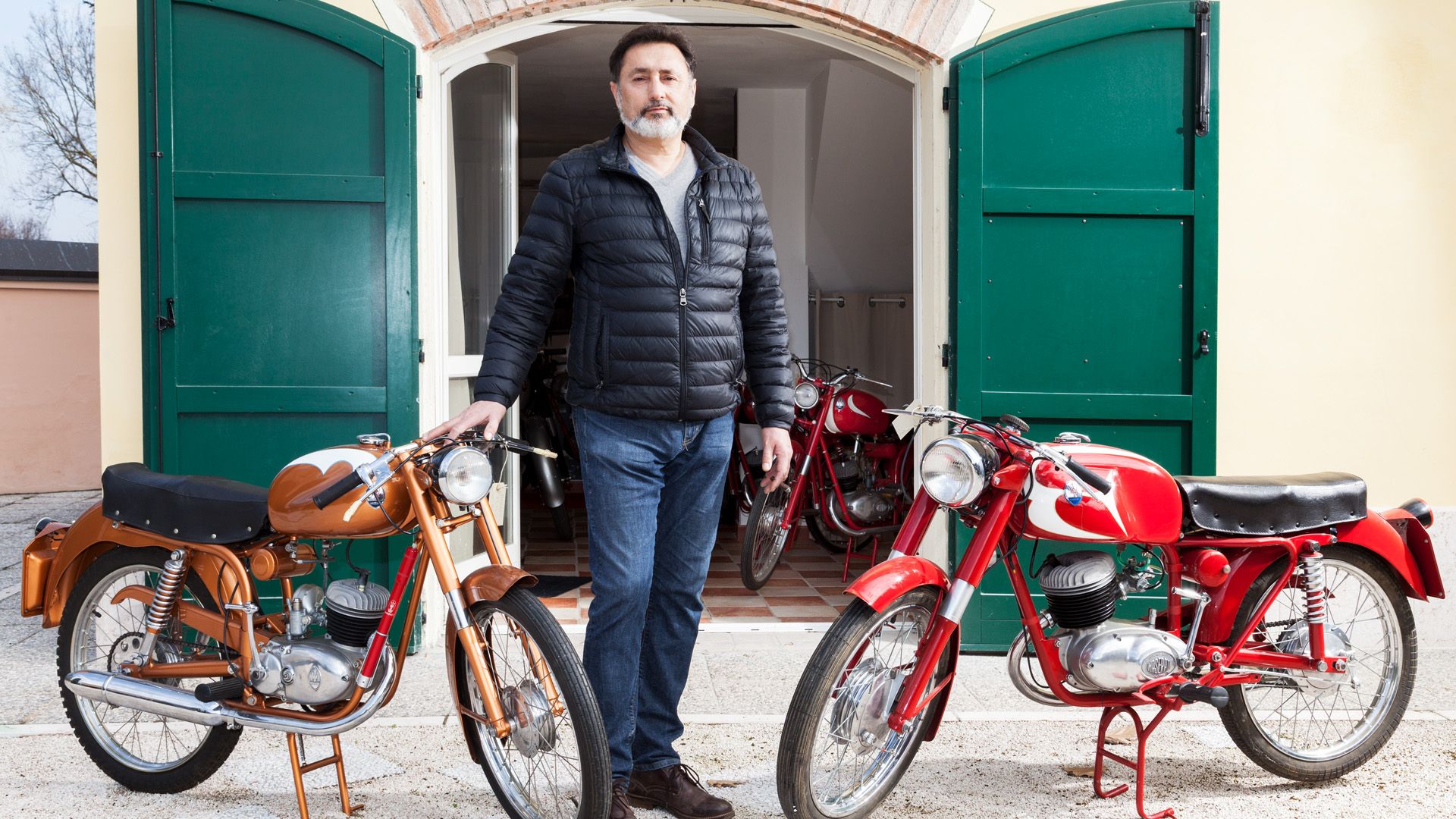
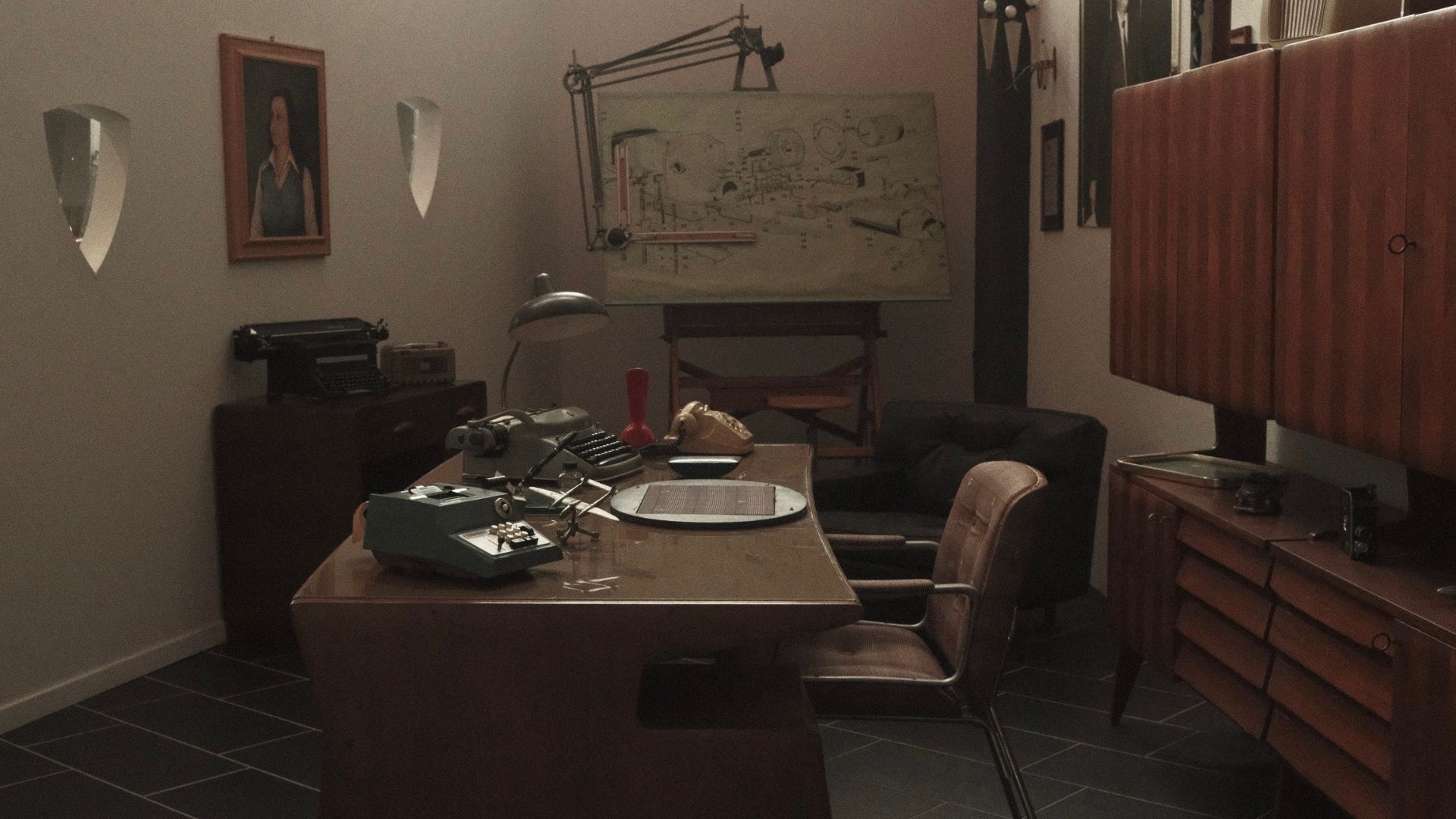
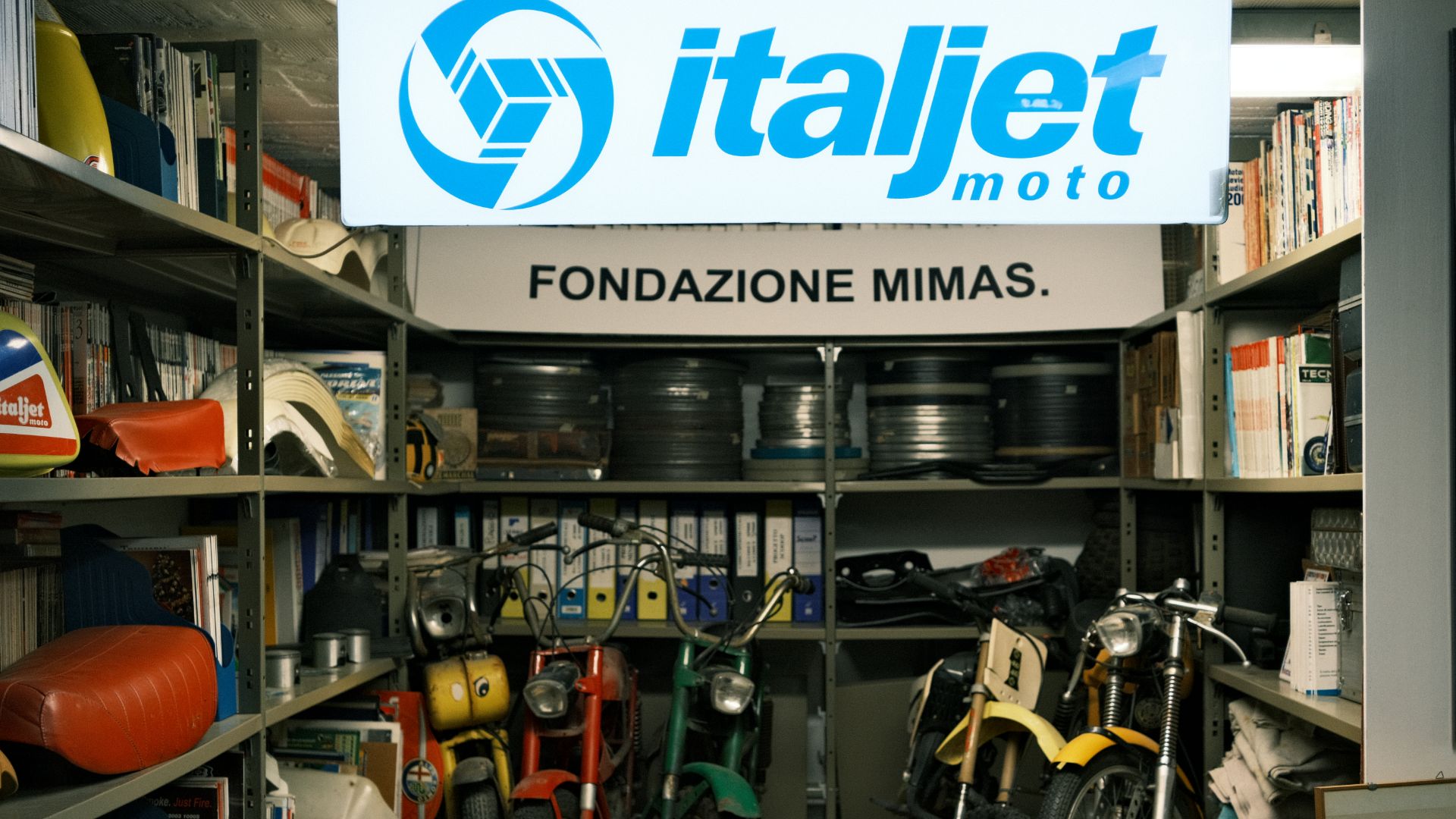
Today, that history is preserved in the Pasquale Mesto Collection in San Lazzaro di Savena. The collection originated from an exhibition of historic Italjet models that Pasquale Mesto curated in the 1990s at the company’s original headquarters. When the factory closed, Mesto managed to save those materials and continued to expand the collection over the years. Today, it houses dozens of models spanning fifty years of Italjet history, along with technical documentation, catalogues, and archival materials. We had the opportunity to visit the collection during the first Bologna episode of Around Motor Valley, stepping inside one of the private archives that safeguards a piece of the region’s motoring heritage.
An enduring culture
The story of the Italian scooter in the UK is still very much alive.
Vespas and Lambrettas continue to thrive in clubs, at rallies, and among collectors. Over the decades, their significance has shifted time and again: a mode of transport for Mods, a symbol of identity, a staple of musical iconography, a cult object, and a springboard for new subcultures.
And throughout this story, Bologna emerges time and again: first with Italjet and the Velocifero, then with Massimo Osti and the brands that helped define the aesthetic of a key segment of contemporary British culture.
From London to Bologna, the journey isn’t a one-way street. It’s a two-way exchange. Britain turned the Italian scooter into a cultural icon; a few decades later, Bologna helped reinvent it, bringing it right back, without a driver’s license or a second thought, into the daily adventures of two brothers from Manchester. A world where style and substance have always been intertwined.
Partners involved:

Area involved: